RapidREF 22061977
Send us a specification — most quotes answered within a few hours.

Yeasts and moulds are the organisms that end a shelf-life claim. They rarely make anyone ill, but they are the most common reason a product is rejected by a customer before its date has passed.
 Filamentous and smooth colonies · DRBC agar
Yeasts and moulds are spoilage organisms rather than pathogens for most purposes, which changes how they are managed: the risk is commercial rather than regulatory, and it materialises after product has shipped, when a customer opens a package before its stated date.
They are also slow. Incubation typically runs five to seven days, far beyond the release window for most products, which means yeast and mould results usually validate a shelf-life claim retrospectively rather than gating a release. Getting the trend right therefore matters more than getting any single result quickly.
Low-water-activity and acidic products — dried goods, fruit preparations, juices, some dairy — are the highest-risk matrices, because those conditions suppress bacteria while leaving fungi comparatively unaffected. Selective media that suppress bacterial overgrowth are what make the count readable at all in those matrices.
Slow by nature — the choice is about readability and bacterial suppression, not speed.
Colony-count technique on dichloran rose bengal chloramphenicol agar, which suppresses bacterial growth and restricts mould spreading so colonies stay countable.
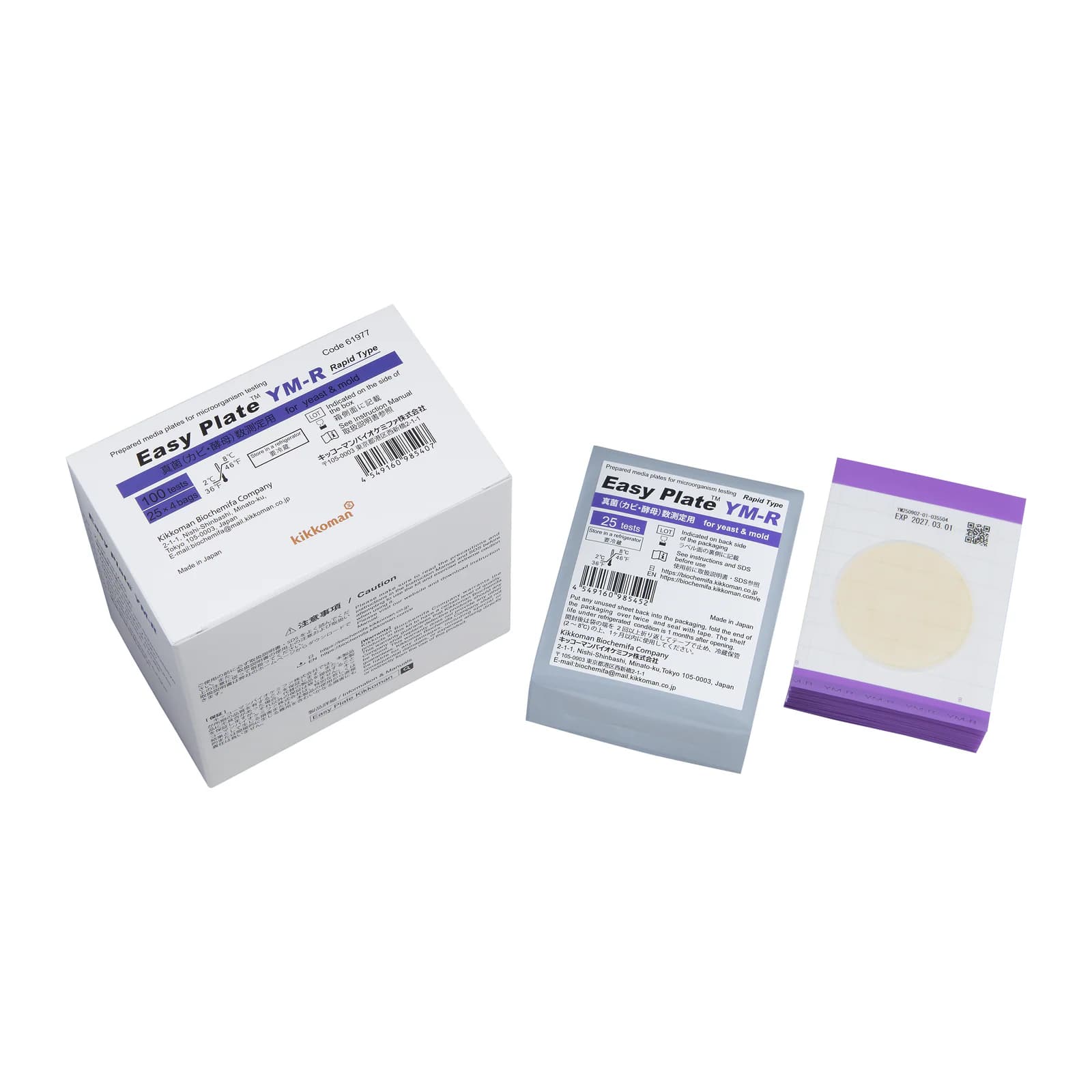
Time to result5–7 daysReady-poured selective formats that remove preparation and give a more consistent surface for reading filamentous colonies across a long incubation.
Time to result5 daysPCR-based detection where a named spoilage yeast is the concern and its level is below what plate counts resolve in time to act.
Time to resultSame dayWater activity determines the method — ISO 21527-1 above 0.95 aw, 21527-2 below.
Ask usA selection spanning culture media, rapid formats and molecular assays. The full range is in the catalogue.
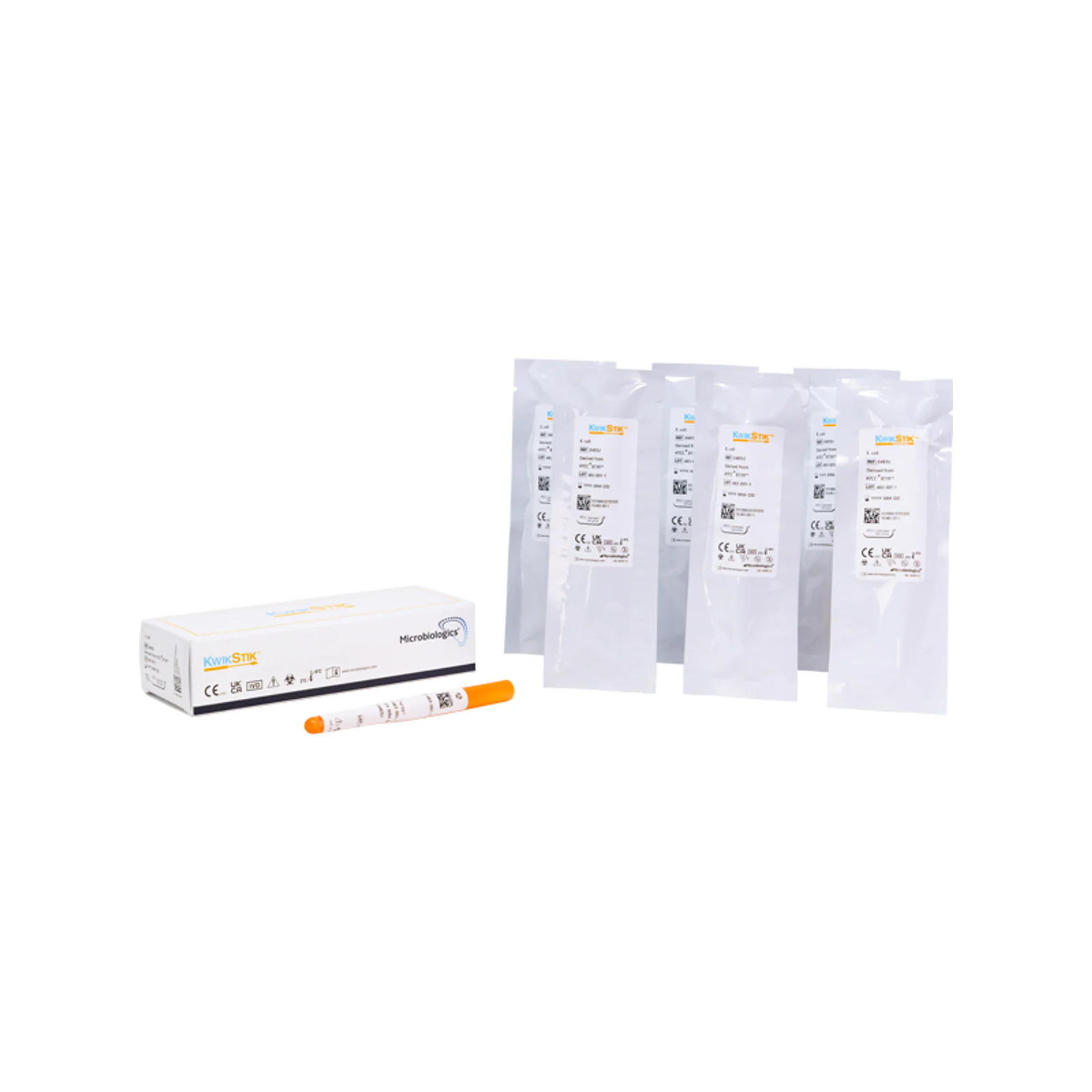
Microbiologics
Yeast and MouldOthers
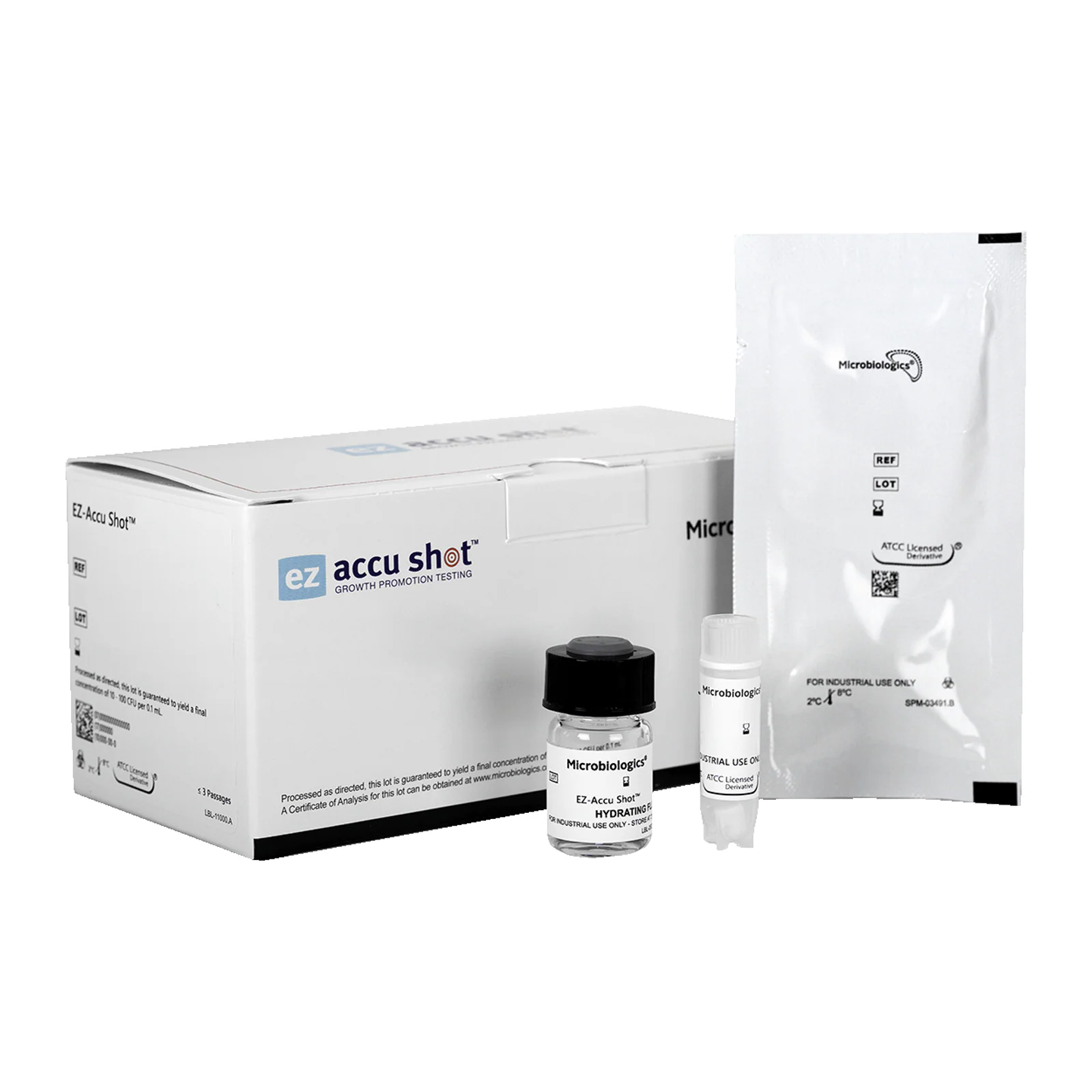
Microbiologics
Yeast and MouldOthers
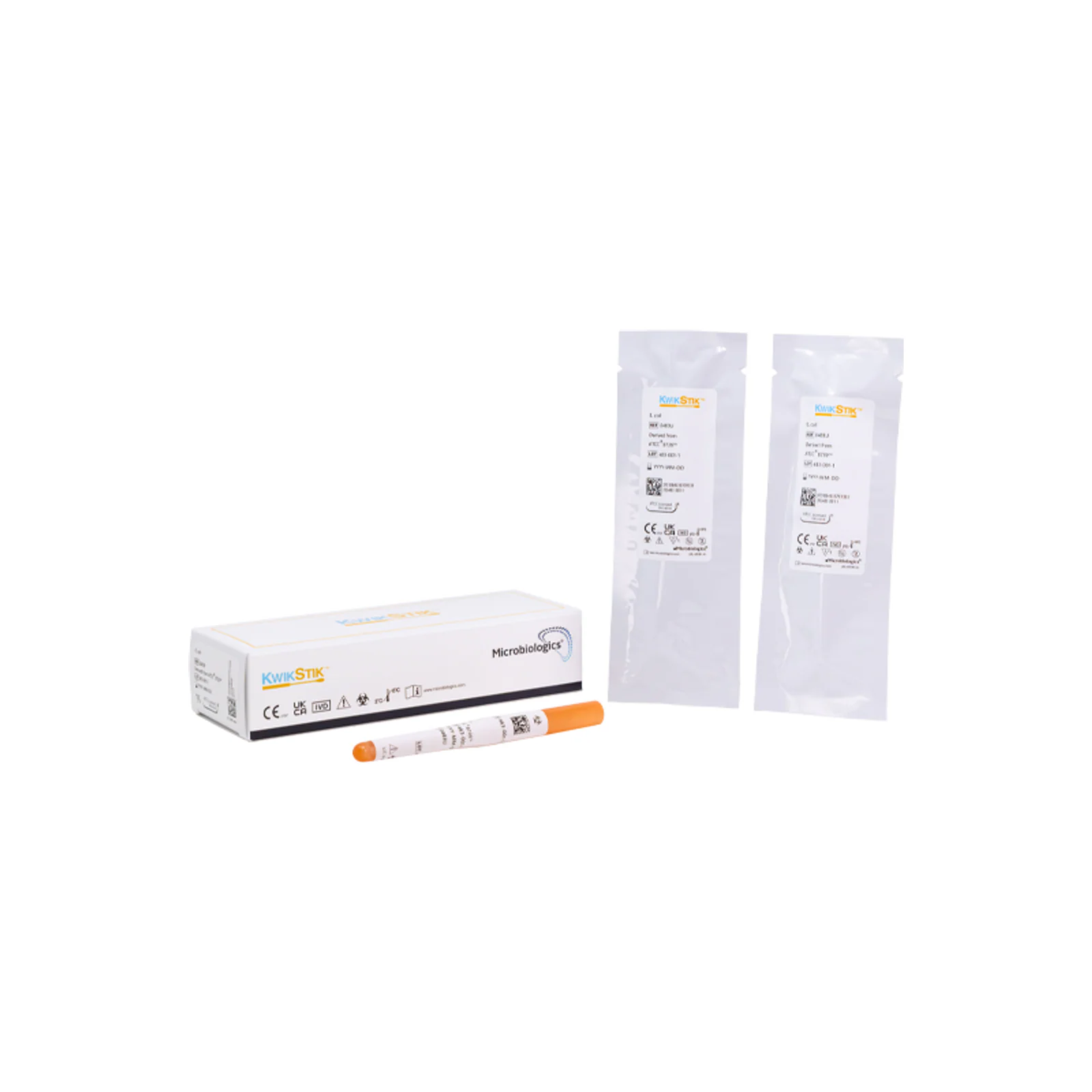
Microbiologics
Yeast and MouldOthers
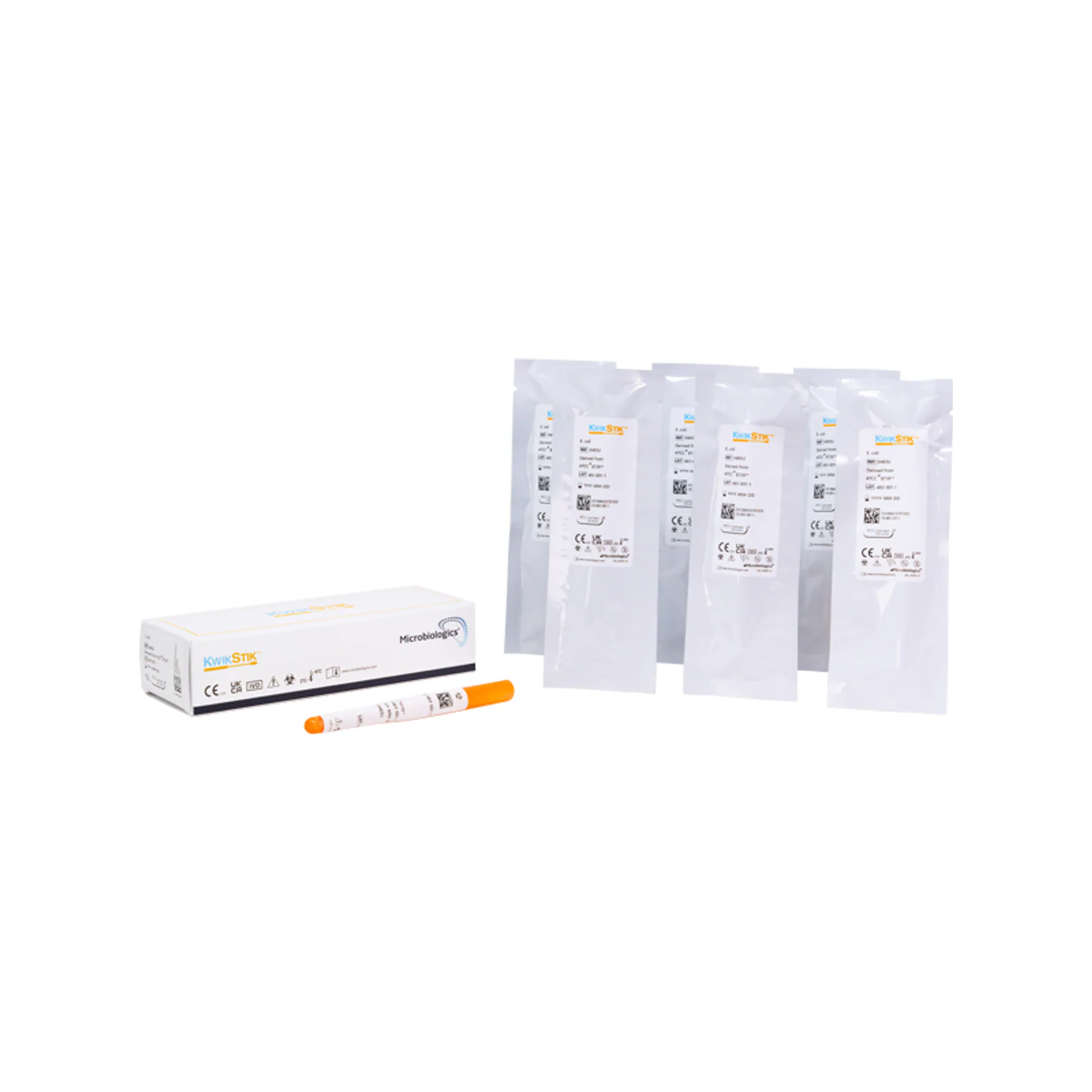
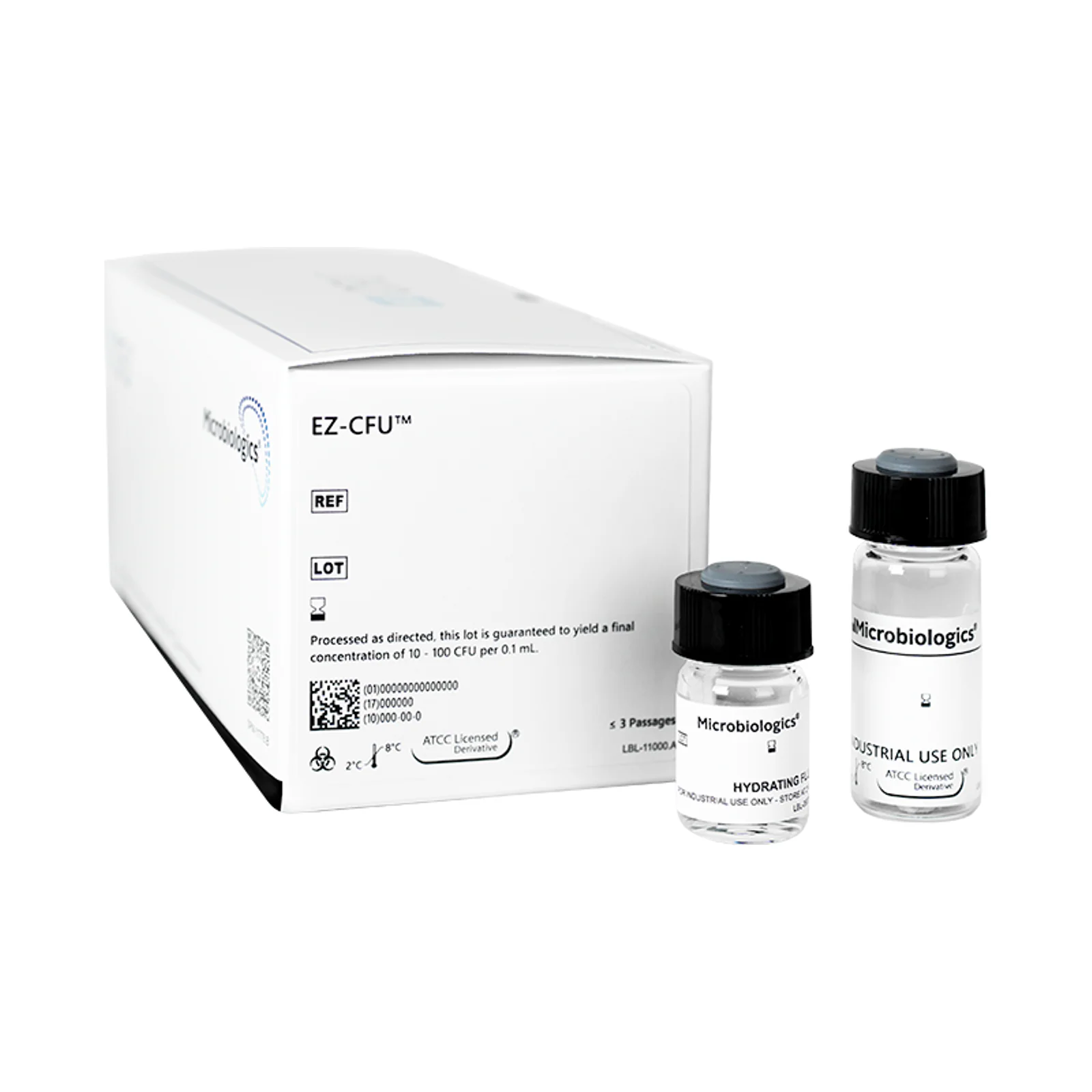
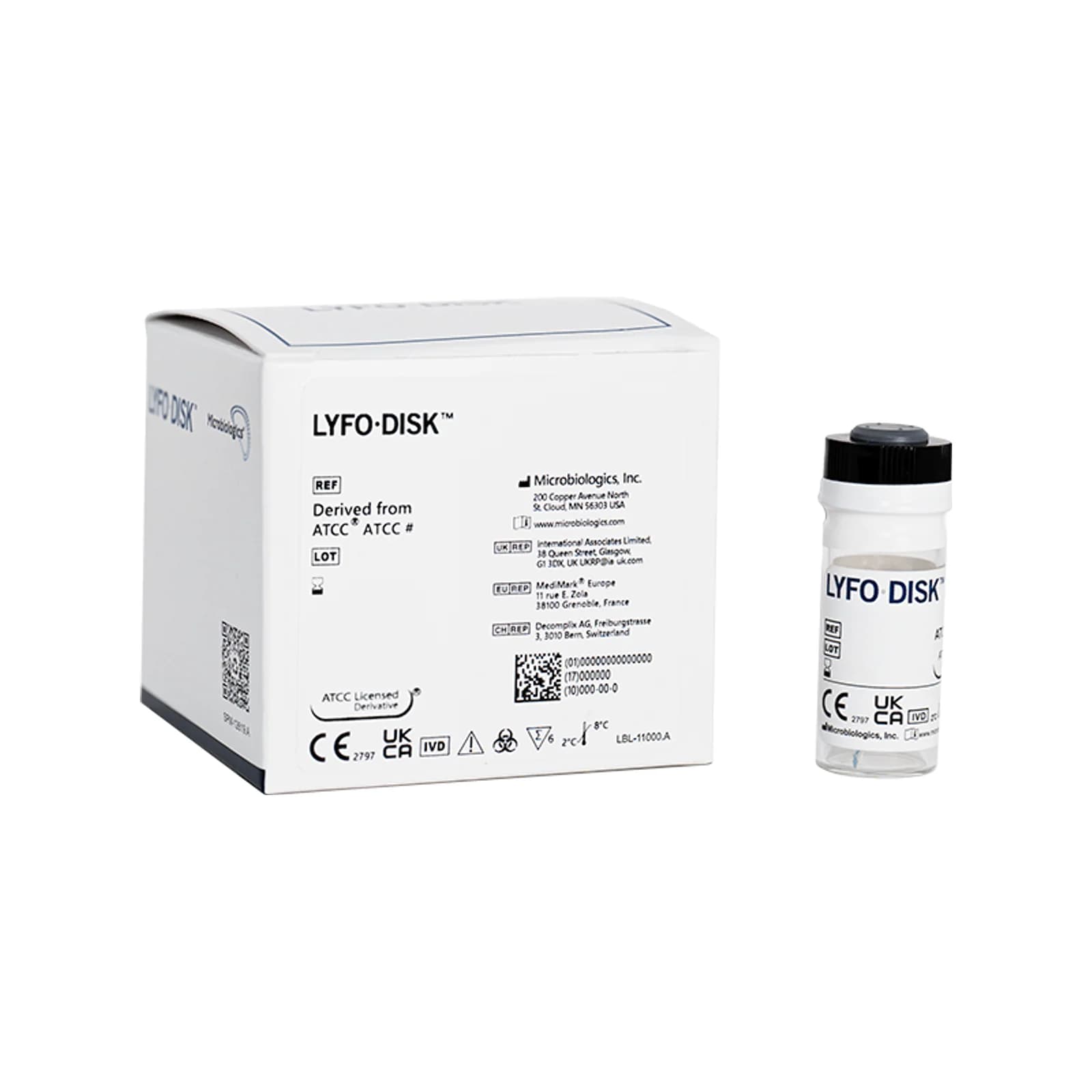
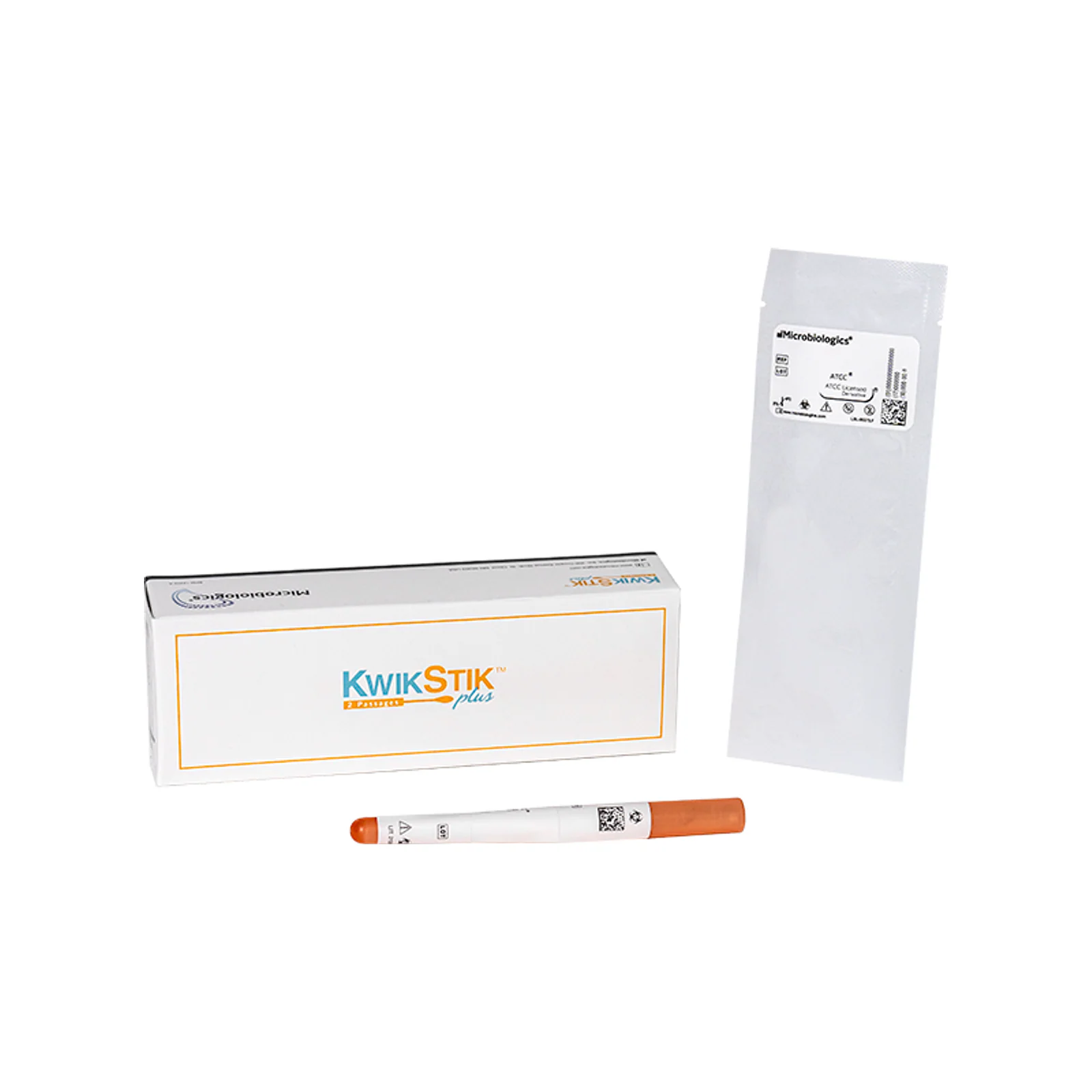
The references a yeast and mould programme is measured against.




Tell us your matrix and how fast you need a release decision — we'll recommend the method and respond with pricing, availability and lead time.