RapidREF 1702671-001
Send us a specification — most quotes answered within a few hours.

Surface, air and water monitoring for HACCP and sanitation verification — contact plates, swabs, ATP bioluminescence and air samplers. The objective evidence that your environment and cleaning programmes remain in control between audits.
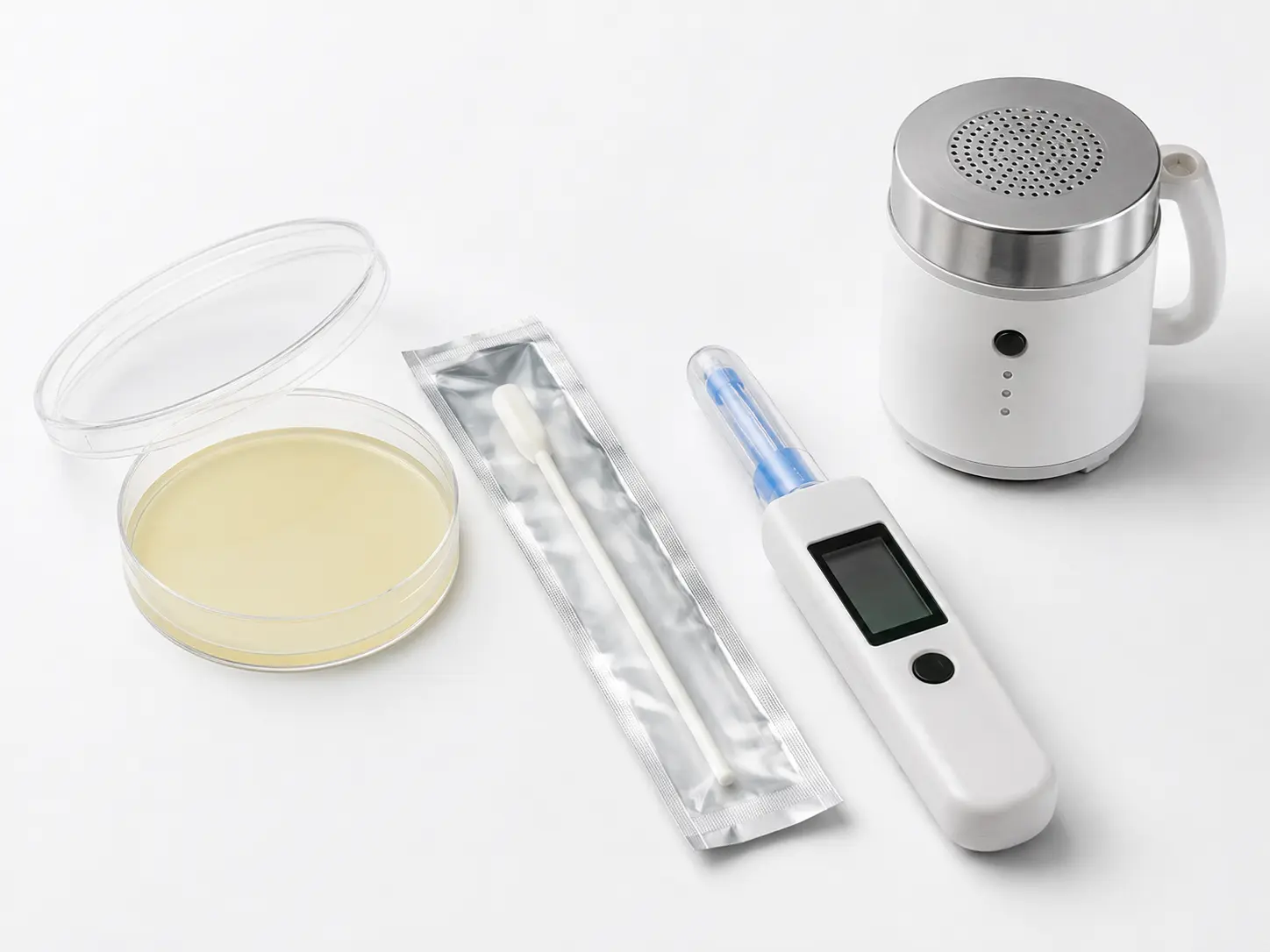
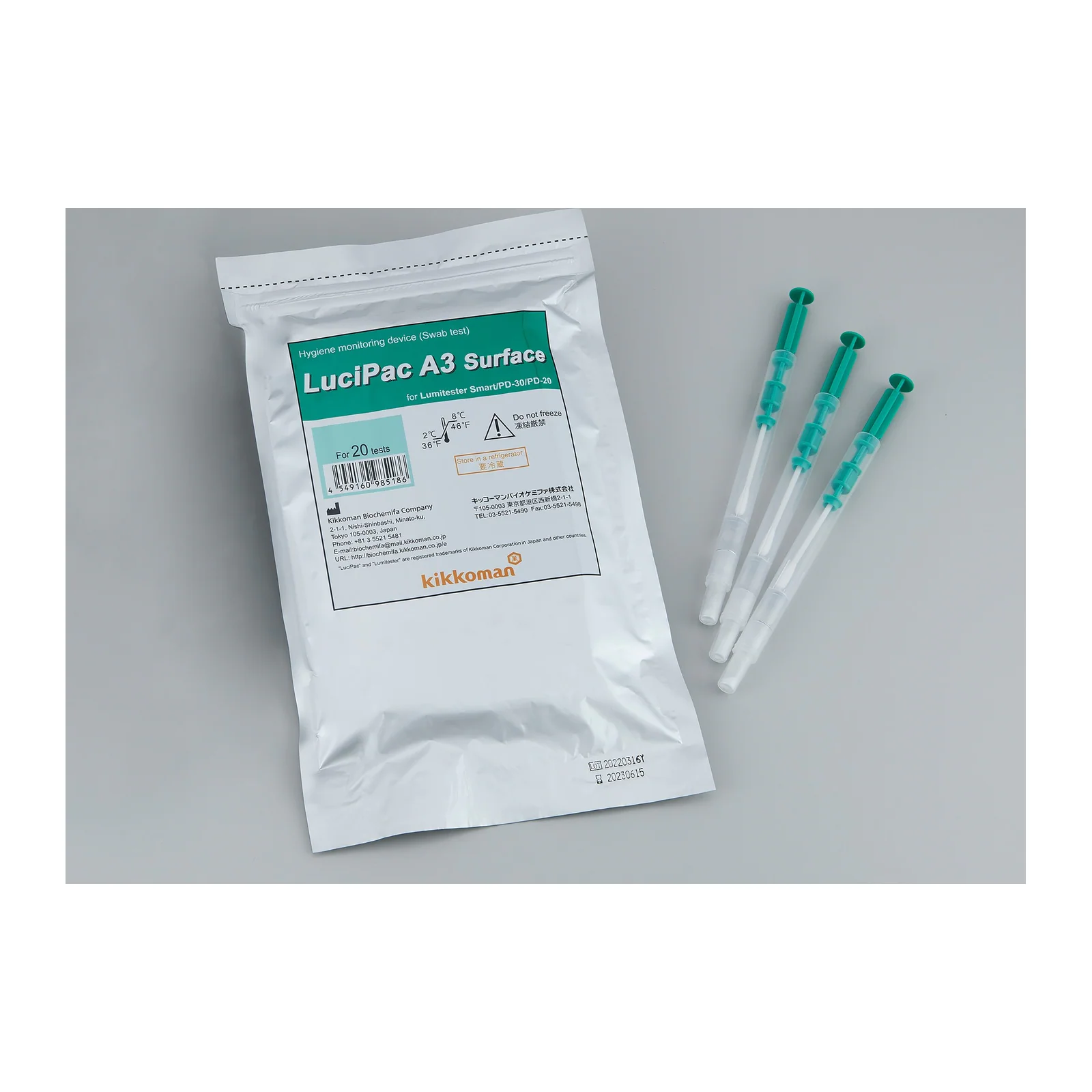
Contact plates press directly onto a flat surface and give a countable result per defined area, making them the better choice for trend monitoring. Swabs recover from irregular surfaces, crevices, drains and equipment interiors where a plate cannot make contact.
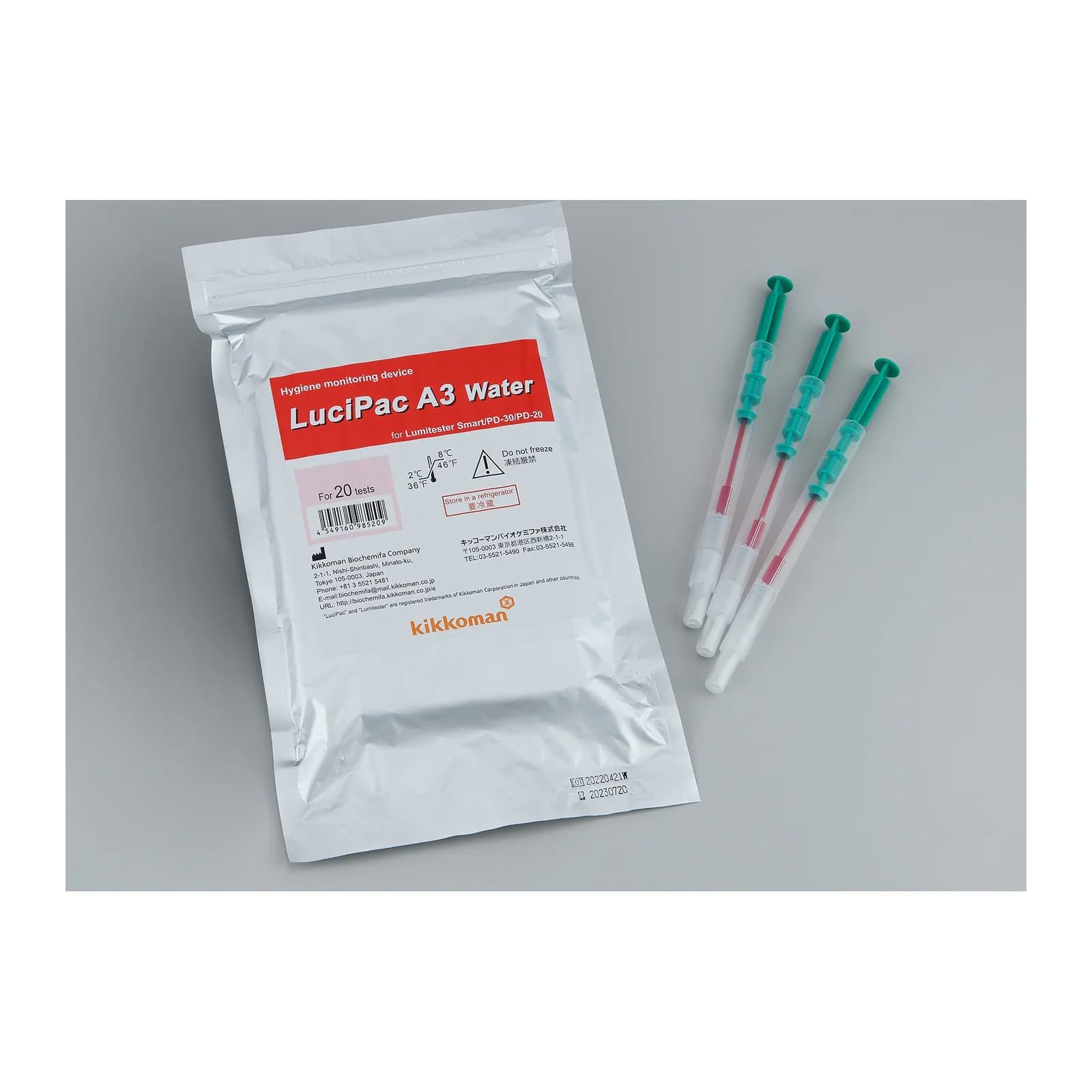
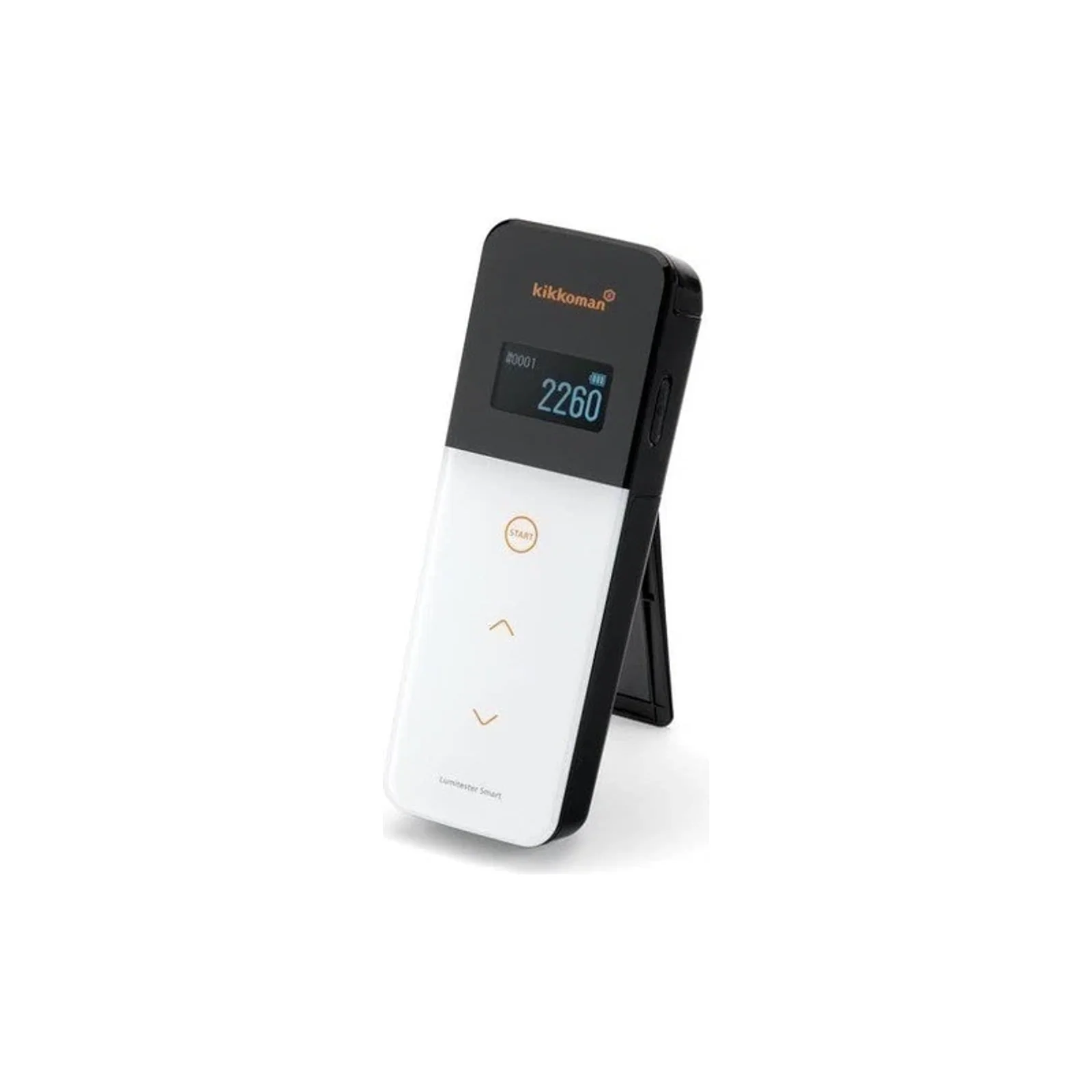
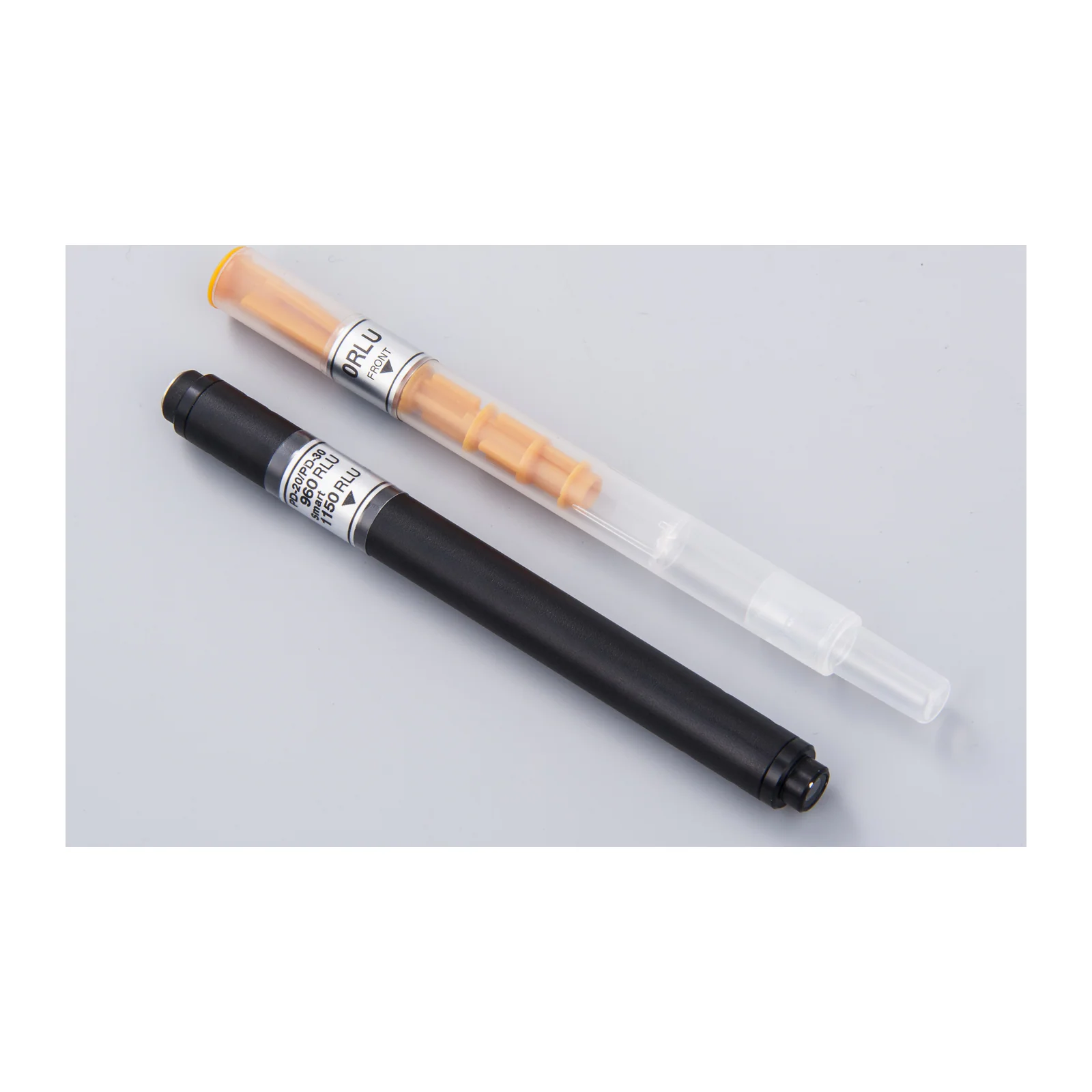
ATP bioluminescence measures organic residue and gives a cleaning verdict in seconds, so it is used to release a line immediately after cleaning. It does not measure viable organisms — a culture count remains necessary where the question is microbiological rather than hygiene.
Formulations intended for post-sanitisation sampling include neutralisers such as lecithin and polysorbate to inactivate residual disinfectant. Without them, carried-over sanitiser suppresses growth on the plate and produces falsely clean results.
Frequency follows your risk assessment and the zone being sampled — product-contact surfaces are typically sampled far more often than perimeter areas. We can advise on a sampling plan against your HACCP or environmental monitoring programme.
Active air sampling uses an impaction sampler drawing a measured volume onto an agar plate, giving a result per cubic metre. Settle plates give a simpler deposition measure. Which applies depends on whether your standard specifies a volumetric result.
Yes — irradiated and triple-bagged formats are available for aseptic and classified areas, supplied with the documentation a compendial environmental monitoring programme requires.
We’ll respond with method, availability and lead time.