TraditionalREF 610300
Send us a specification — most quotes answered within a few hours.

Lactobacillus sits on both sides of the ledger — a starter culture to be enumerated and verified in fermented products, and a spoilage organism to be excluded from everything else.
Whether Lactobacillus is desirable depends entirely on the product. In yoghurt, fermented dairy and cultured products it is the starter culture, and testing verifies that it is present at the level the process and any probiotic claim require.
In beer, juice, soft drinks and non-fermented foods the same organism is a spoilage risk — acid-tolerant, capable of growing where most bacteria cannot, and responsible for souring and haze. The brewing sector in particular treats it as a primary spoilage target.
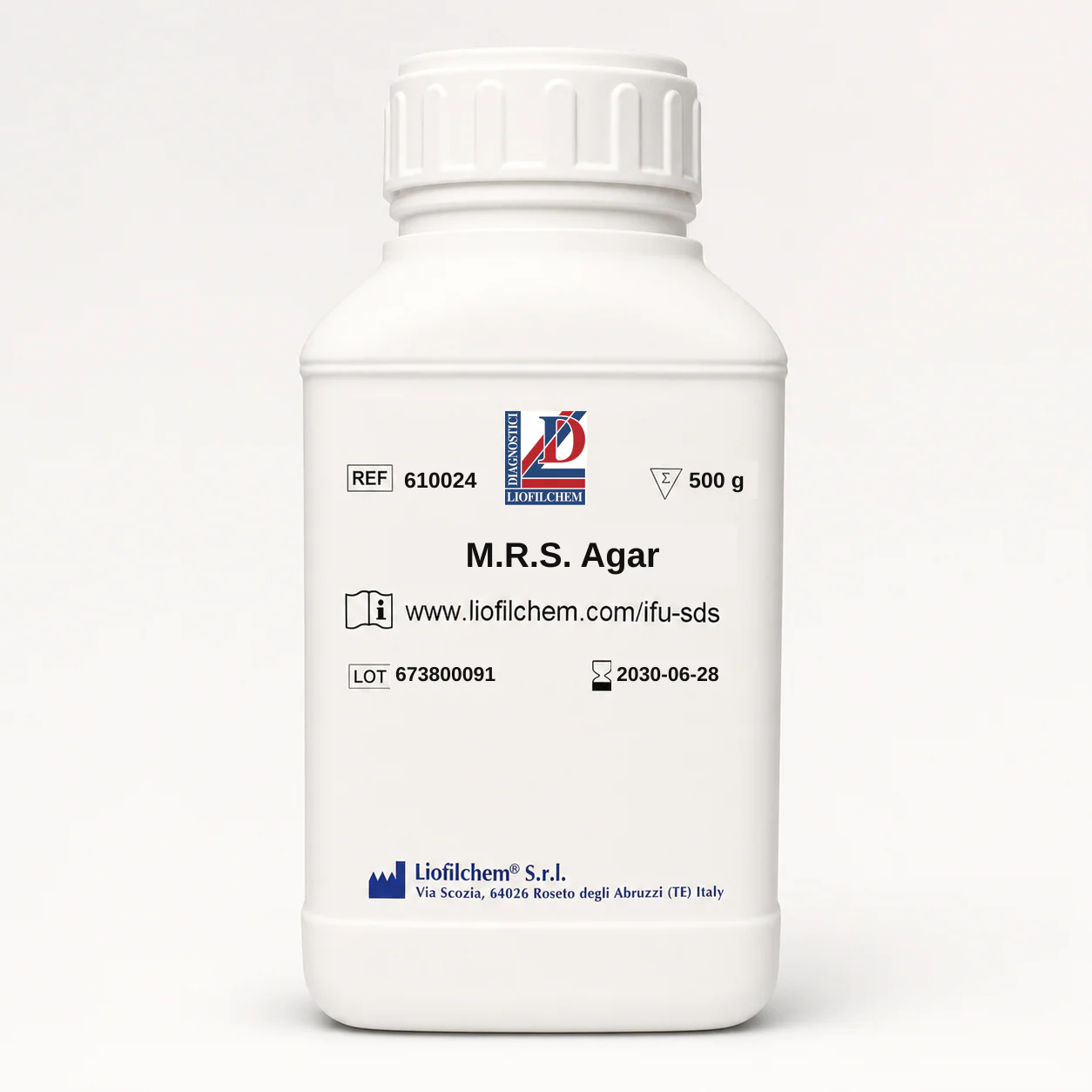
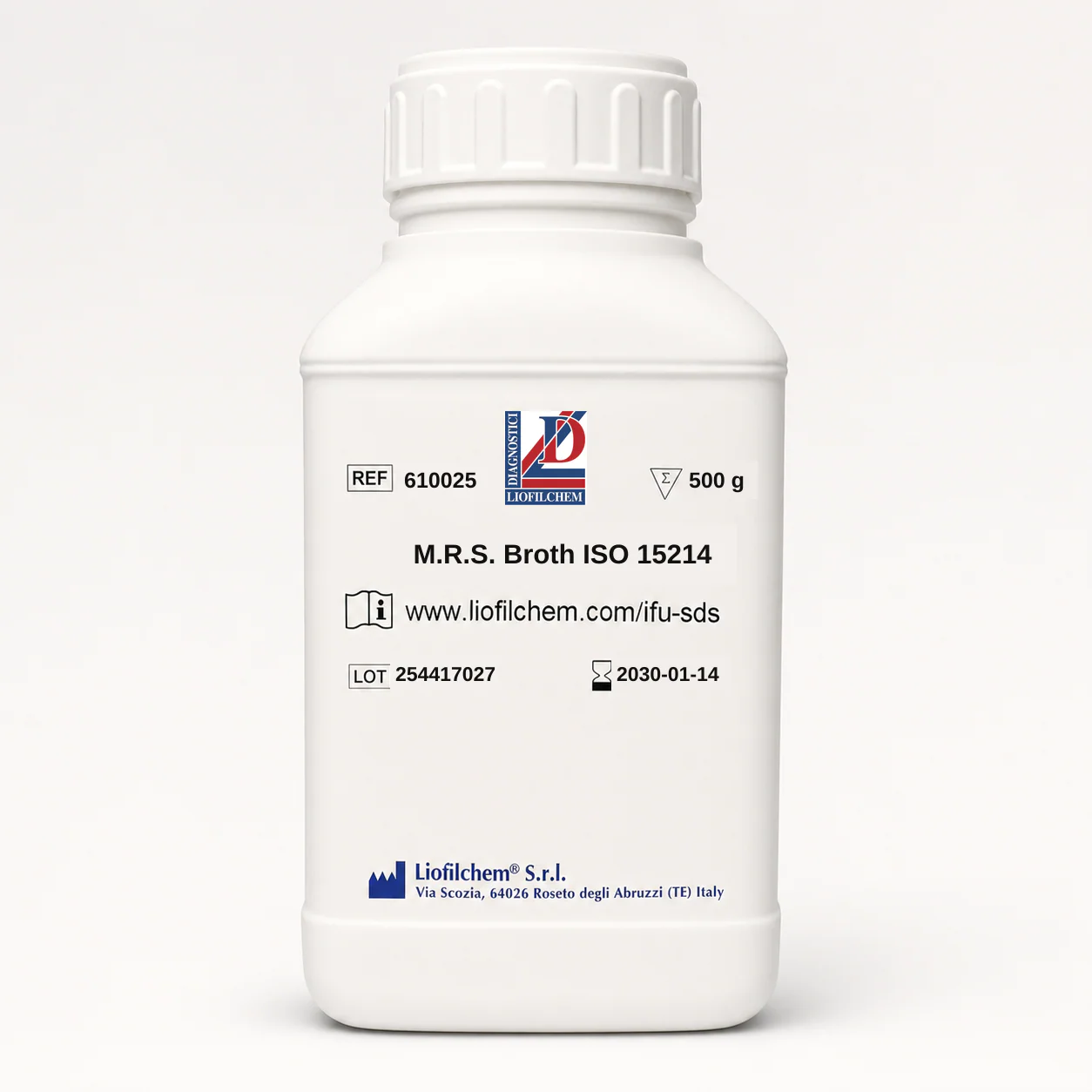
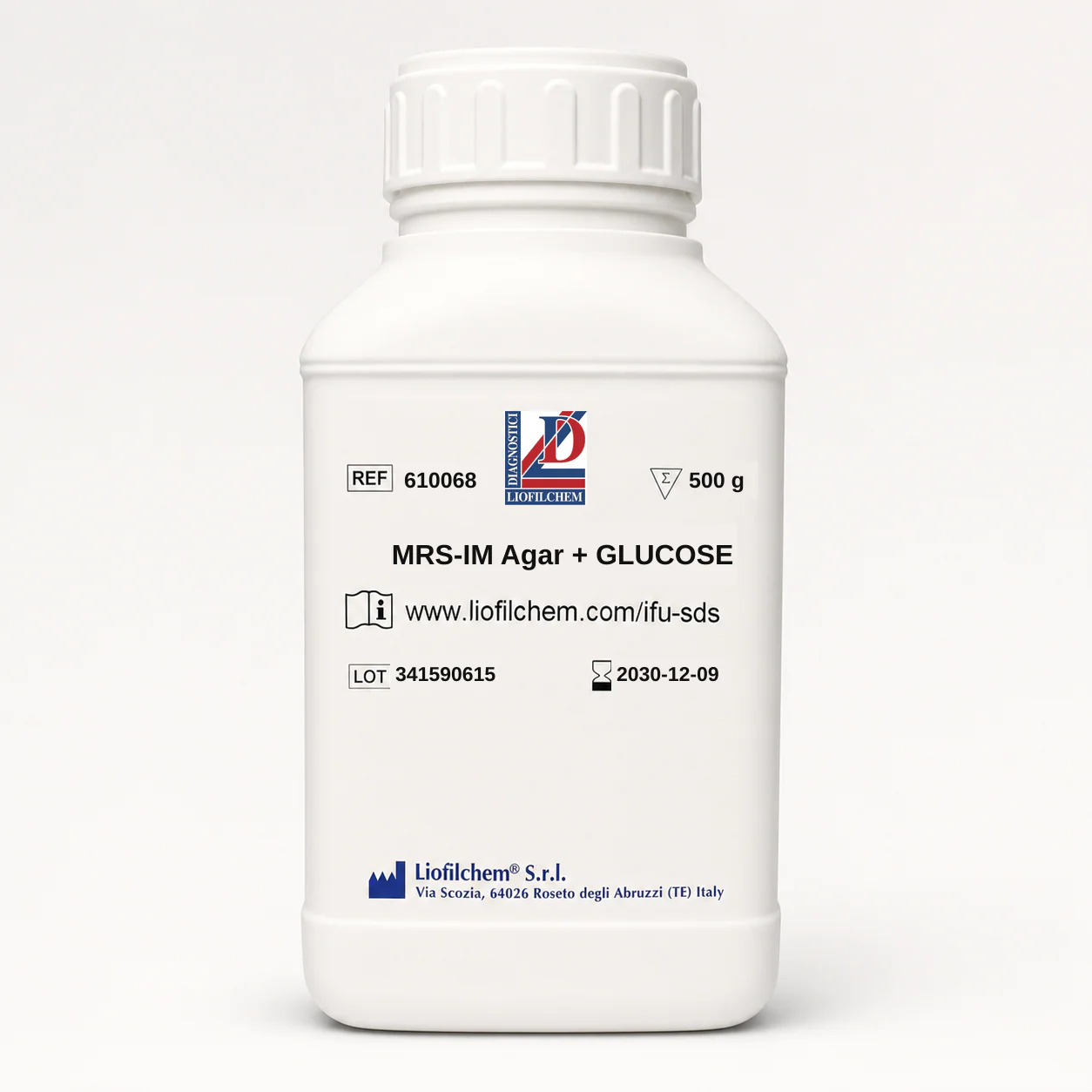
Enumeration on MRS agar under anaerobic or microaerobic conditions serves both purposes. The interpretation inverts between them: a count that confirms a healthy starter culture in one product is a rejection criterion in another, so the specification has to state which role applies.
The same count, read two opposite ways — confirm which applies before testing.
Colony-count technique on MRS agar at 30 °C under reduced oxygen. The reference method for mesophilic lactic acid bacteria.
Time to result48–72 hReady-poured MRS formats for routine starter verification and spoilage screening without media preparation.
Time to result48 hPCR-based identification where a probiotic claim names a specific strain, or where a spoilage investigation needs the organism identified beyond genus.
Time to resultSame dayState whether the count is a specification minimum or a rejection threshold.
Ask usA selection spanning culture media, rapid formats and molecular assays. The full range is in the catalogue.
The references a Lactobacillus programme is measured against.




Tell us your matrix and how fast you need a release decision — we'll recommend the method and respond with pricing, availability and lead time.