Send us a specification — most quotes answered within a few hours.

Organism · Solutions

Bacillus cereus testing

Bacillus cereus survives cooking as a spore and germinates as food cools — which is why it is primarily a temperature-abuse organism, and why rice, pasta and dairy products carry the highest risk.

  • ISO 7932
  • Culture
  • Rice · Dairy · RTE
Pink colonies with precipitate · MYP agar

Why Bacillus cereus testing is demanding

B. cereus forms heat-resistant spores that routinely survive cooking. The organism itself is easily killed; the spores are not, and they germinate as a cooked product cools through the temperature range where growth is possible. This makes it fundamentally a cooling-and-holding problem rather than a cooking one.

It produces two distinct toxin types — an emetic toxin that is heat-stable and a diarrhoeal toxin that is not — which means reheating a temperature-abused product may destroy the organism and one toxin while leaving the other intact. Starchy foods held warm are the classic vehicle.

Enumeration on mannitol egg yolk polymyxin agar gives characteristic colonies with a precipitate zone. The count is interpreted against a threshold rather than as absence, because low levels of B. cereus are common and unremarkable in many raw materials.

Role
Temperature-abuse hazard
Result type
Enumeration
Reference method
ISO 7932
Result
24–48 h

Methods compared

Enumerated against a threshold — the routes to a defensible count.

  1. Traditional · ISO 7932MYP enumeration

    Colony-count technique on mannitol egg yolk polymyxin agar, reading characteristic pink colonies with a precipitation zone.

    Time to result24–48 h
  2. RapidChromogenic formats

    Chromogenic media that improve differentiation of presumptive B. cereus from background Bacillus flora at the reading stage.

    Time to result24 h
  3. Molecular · PCRToxin gene profiling

    PCR distinguishing emetic from diarrhoeal toxin gene profiles, where an incident investigation needs to establish which toxin type is implicated.

    Time to resultSame day

Low counts are normal in raw materials — interpret against the specified threshold.

Ask us

Products for Bacillus cereus testing

A selection spanning culture media, rapid formats and molecular assays. The full range is in the catalogue.

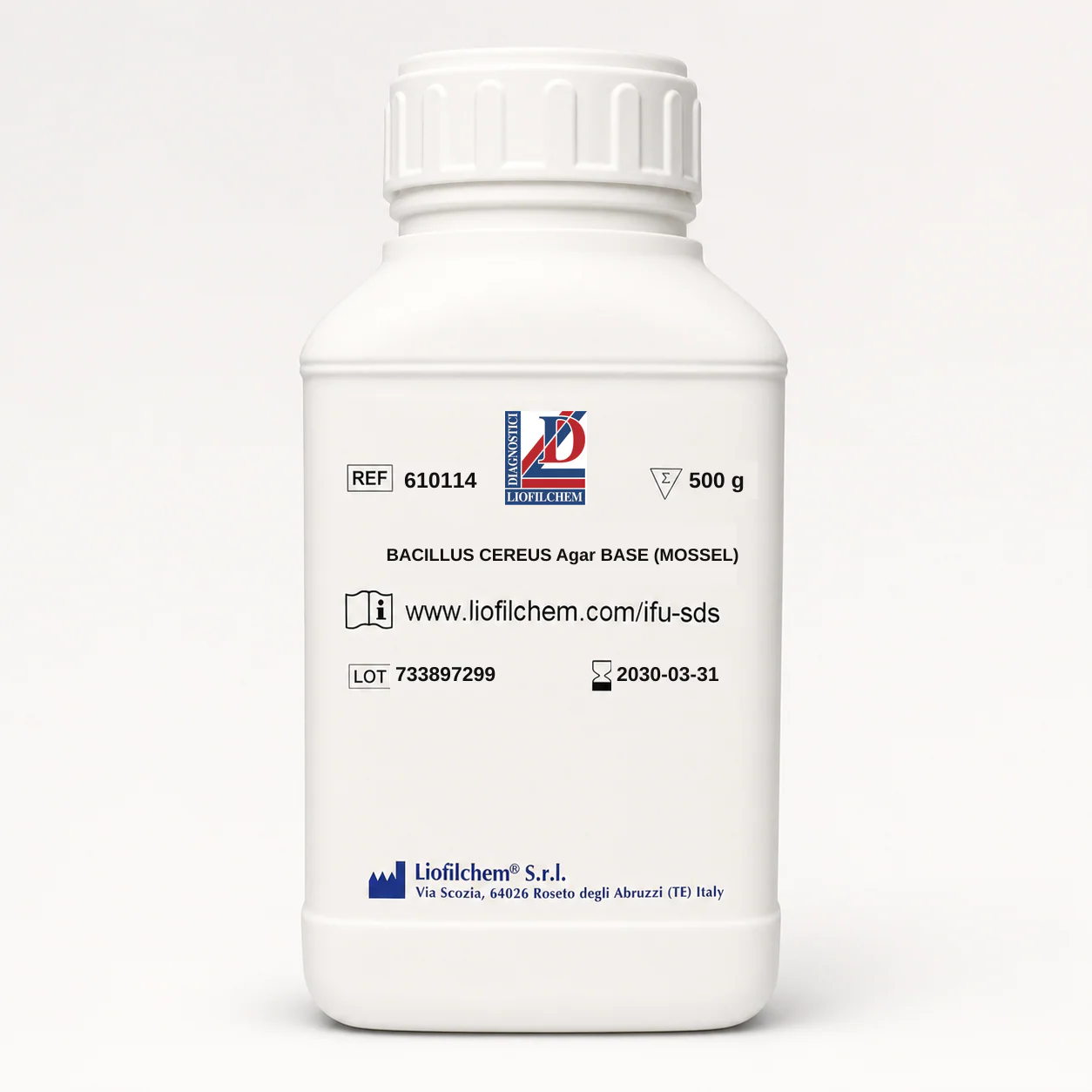
BACILLUS CEREUS Agar BASE (MOSSEL) (500 g)
TraditionalREF 610114

Liofilchem

Bacillus cereus agar base (mossel) (500 g)

Bacillus cereus

500 gISO 7932:2004

View details
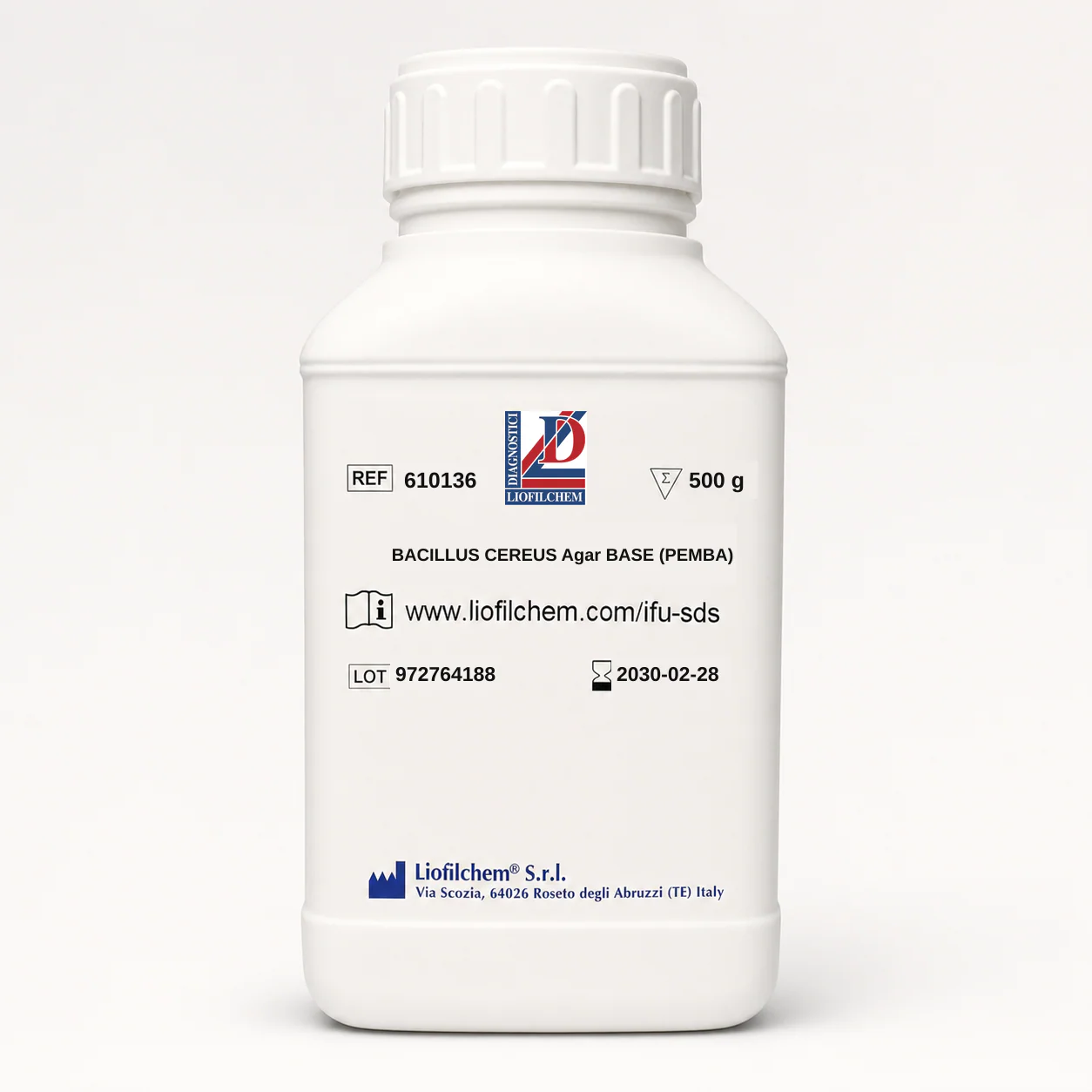
BACILLUS CEREUS Agar BASE (PEMBA) (500 g)
TraditionalREF 610136

Liofilchem

Bacillus cereus agar base (pemba) (500 g)

Bacillus cereus

500 gISO 21871:2006

View details
Product Images will be uploaded soon
TraditionalREF 81016

Liofilchem

Bacillus cereus supplement (10 vials)

Bacillus cereus

10 vialsISO 7932:1993

View details
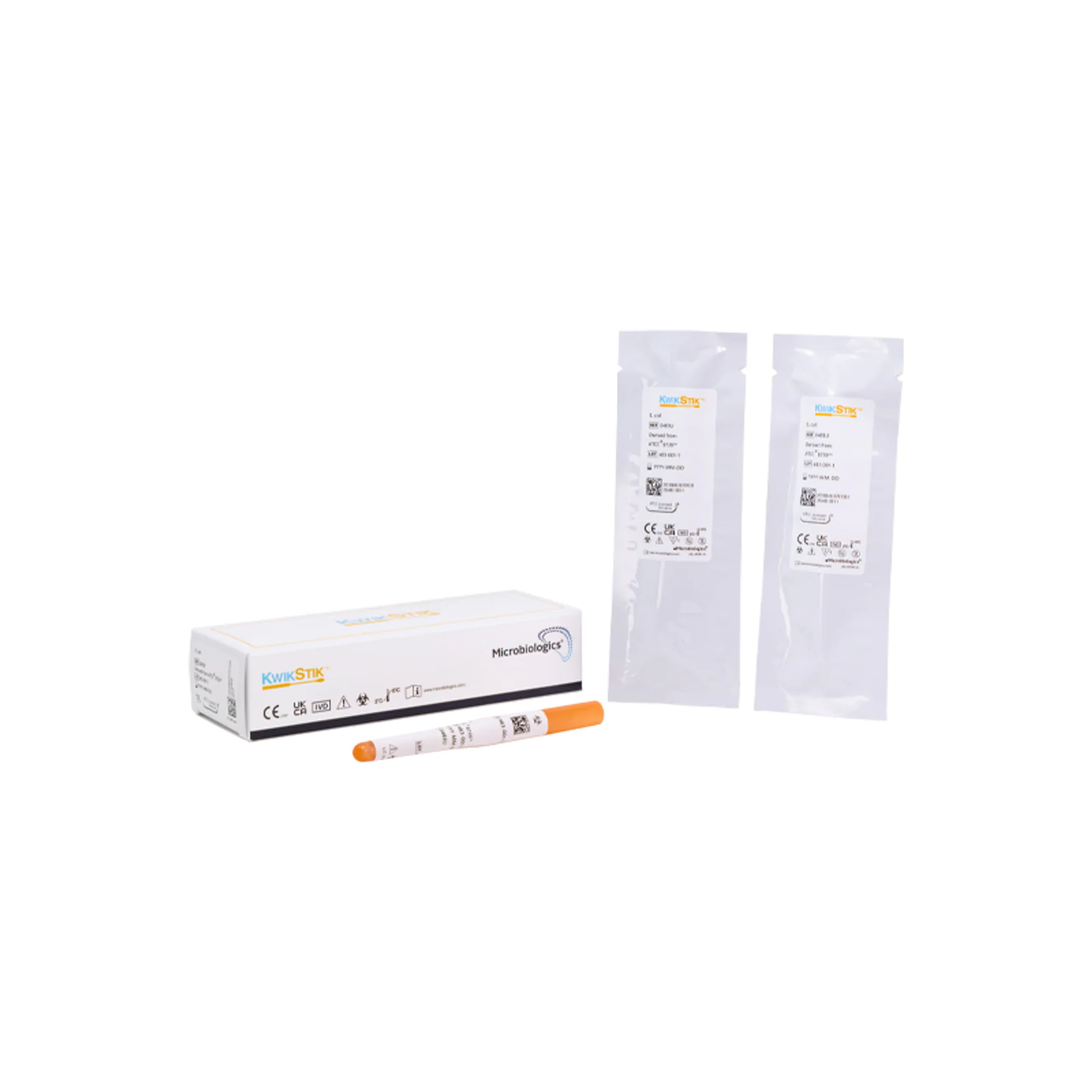
Bacillus cereus derived from ATCC® 11778
TraditionalREF 0256P

Microbiologics

Bacillus cereus derived from atcc® 11778

Bacillus cereus

2 units per pouch

AOAC PTM · AOAC PTM

View details
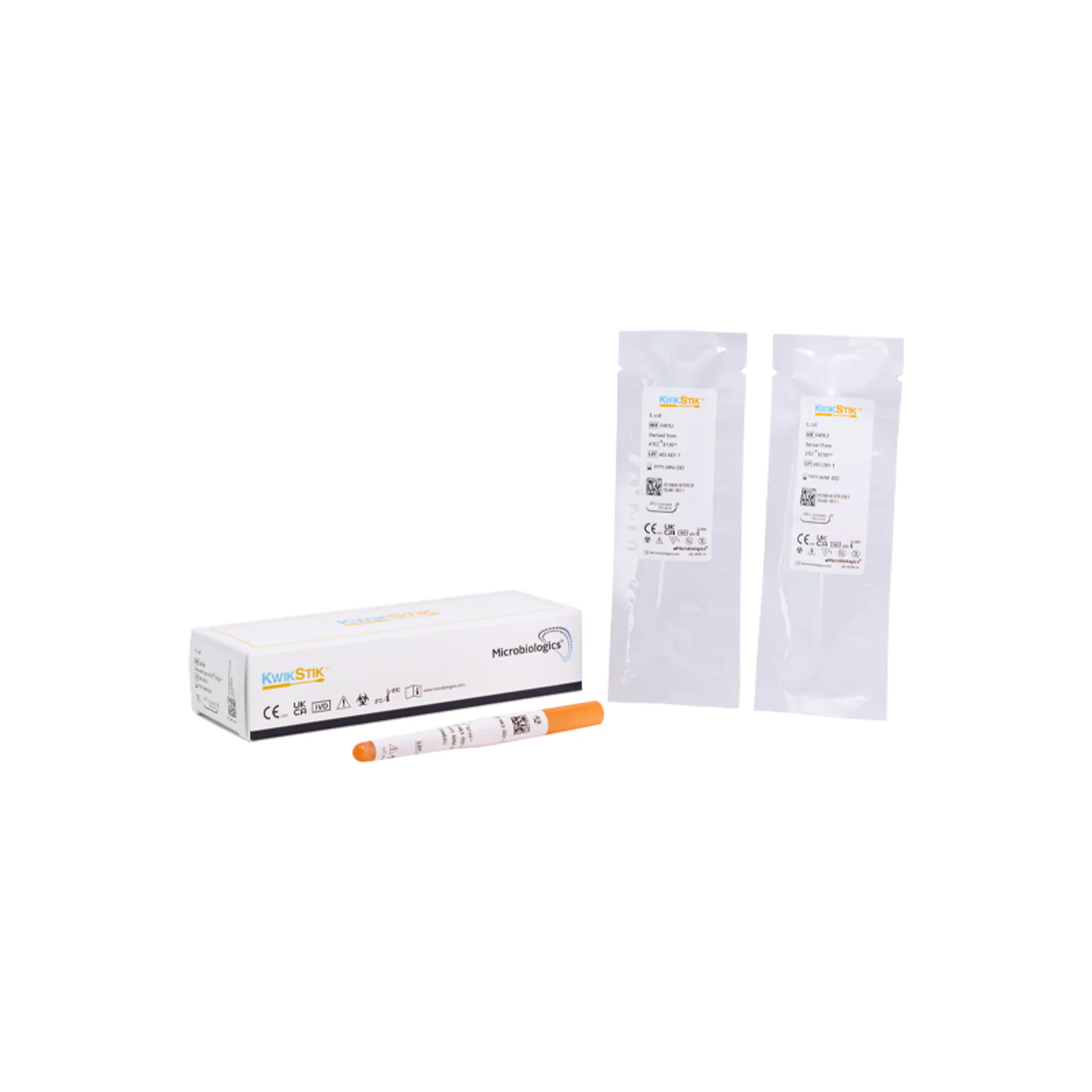
Bacillus cereus derived from ATCC® 14579™
TraditionalREF 0200P

Microbiologics

Bacillus cereus derived from atcc® 14579™

Bacillus cereus

2 units per pouch

AOAC PTM · AOAC PTM

View details
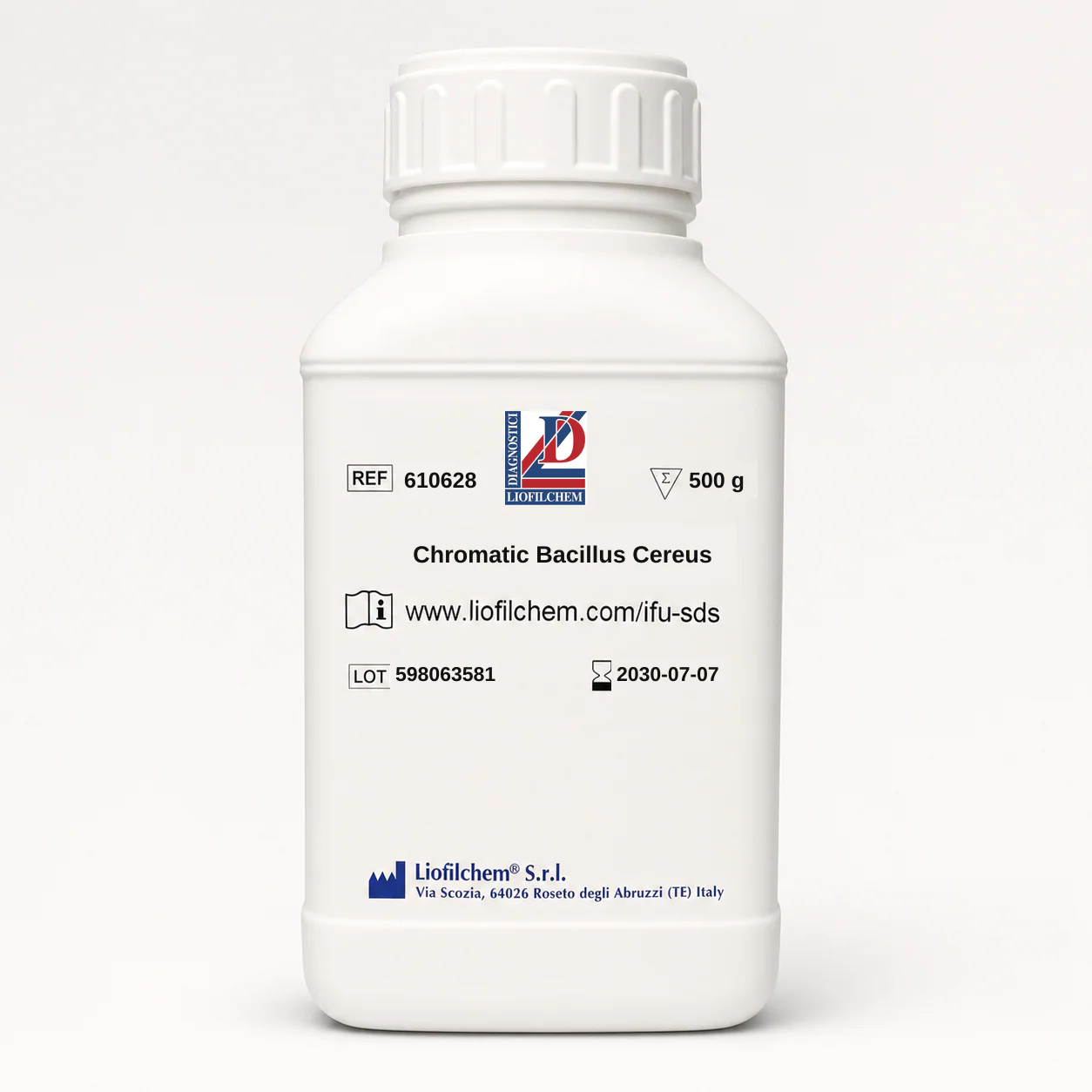
Chromatic Bacillus Cereus (500 g)
TraditionalREF 610628

Liofilchem

Chromatic bacillus cereus (500 g)

Bacillus cereus

500 gISO 7932:2004

View details
Product Images will be uploaded soon
TraditionalREF 81097

Liofilchem

Chromatic bacillus cereus supplement (10+10 vials x 500 ml)

Bacillus cereus

20 vials: 10 enrichment vials and 10 selective vialsISO 7932:2004

View details
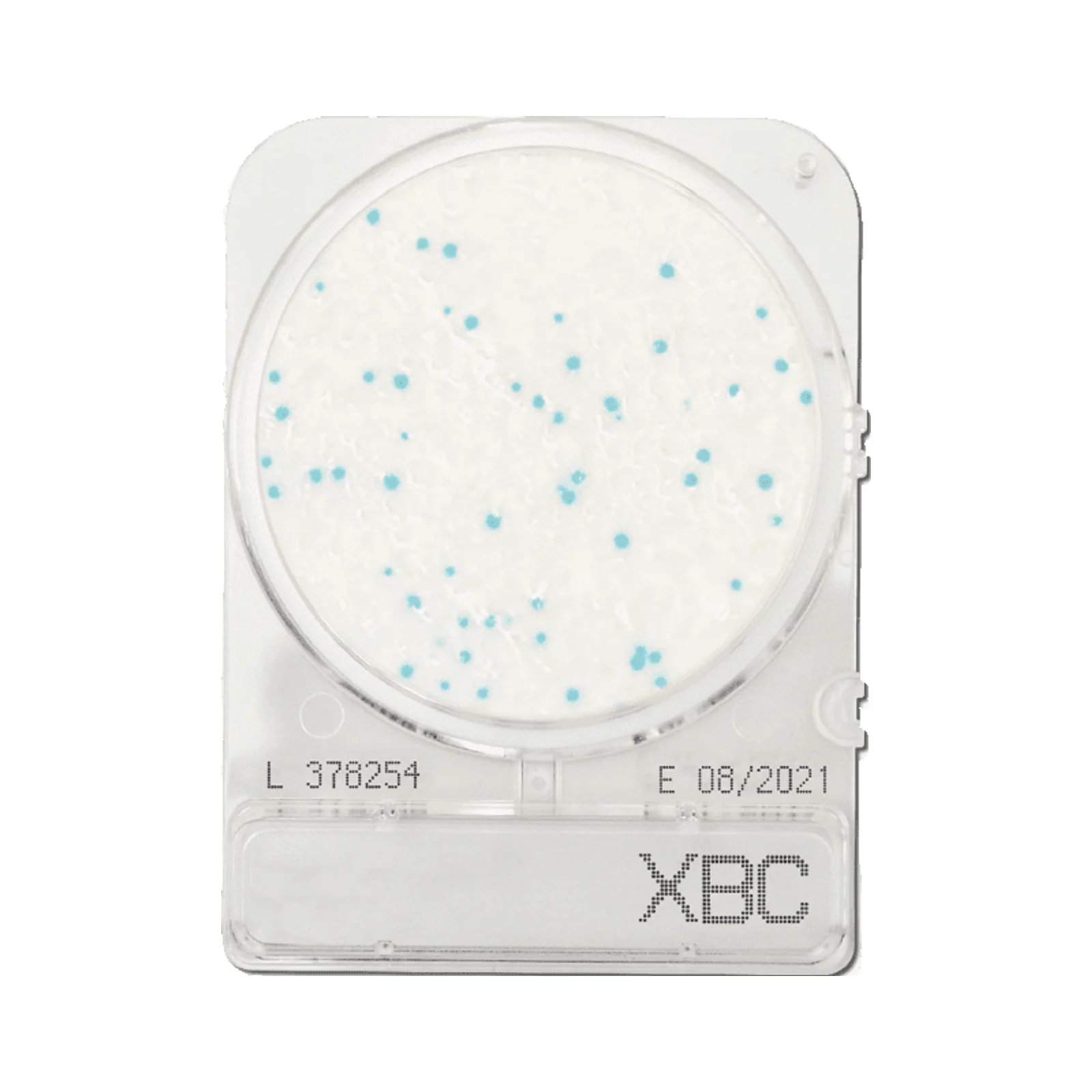
Compact Dry BC
TraditionalREF HS9721

Shimadzu

Compact dry bc

Bacillus cereus

40, 240 or 1400 plates per boxISO 7932:2004

AOAC PTM

View details

Standards & compliance

The references a B. cereus programme is measured against.

ISO 7932
Horizontal method for the enumeration of presumptive Bacillus cereus — colony-count technique at 30 °C.
ISO 21871
Determination of low numbers of presumptive B. cereus by MPN and detection, for products where counts are expected to be low.
SFDA
Supplied through an SFDA-licensed establishment, aligned to Kingdom requirements for the matrices you test.
ISO/IEC 17025
Suitable for accredited laboratories, with lot documentation and traceability available on request.

Sourced from the brands your methods are built on.

Japan
Italy
Italy · Germany · Hungary · US
UK

Testing for Bacillus cereus?

Tell us your matrix and how fast you need a release decision — we'll recommend the method and respond with pricing, availability and lead time.