Product Images will be uploaded soon
MolecularREF HU0060402
Send us a specification — most quotes answered within a few hours.

Salmonella is among the most consequential pathogens in food and environmental safety — a single positive can hold a release or trigger a recall. Testing for it means selecting the right method for your matrix, and being able to defend that result to an auditor.
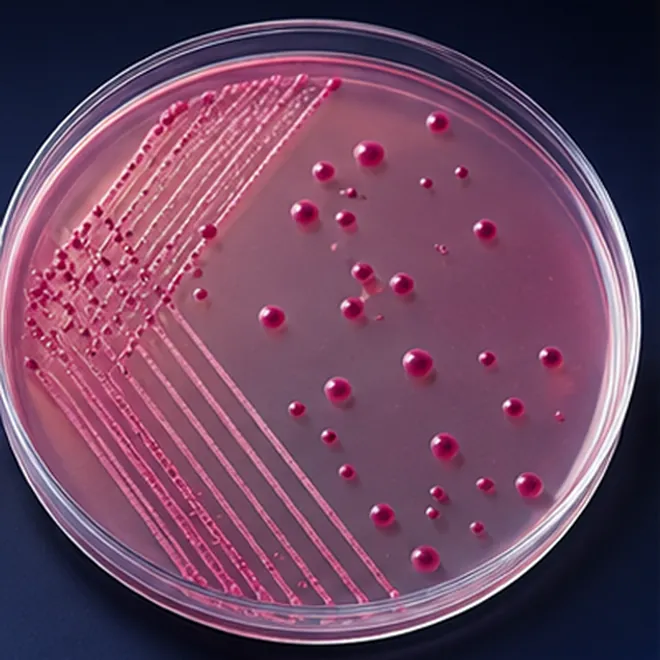 Presumptive colonies · chromogenic agar
Salmonella is a recognised hazard across poultry, egg, dairy, low-moisture and ready-to-eat products, and remains one of the organisms most frequently specified in regulatory and customer testing requirements. Its significance is disproportionate to its numbers: detection is required at very low levels, which is why standard workflows depend on selective enrichment before an organism can be reliably isolated.
That enrichment step is what makes the reference method slow. A confirmed ISO 6579-1 result typically takes three to five days — pre-enrichment, selective enrichment, isolation on selective and chromogenic agar, then biochemical and serological confirmation. For a manufacturer holding finished product, each of those days carries cost.
A defensible negative therefore depends on more than the final plate. It depends on the enrichment being appropriate to the matrix, the media performing to specification, and the reference cultures used to verify that media being traceable. Where a rapid or molecular method replaces part of the workflow, the validation has to cover your specific matrix — that is the first question an auditor asks.
The three routes to a Salmonella result, and what each is actually good for.
Selective enrichment, isolation on chromogenic or selective agar, then confirmation. The method regulators and auditors recognise by default, and the one to fall back on when a result is challenged.
Time to result3–5 daysReady-to-use and chromogenic formats that cut preparation time and simplify colony reading, shortening the path to a presumptive result while remaining validated for routine use.
Time to result24–48 hReal-time PCR after enrichment, for high-specificity detection where release schedules are the binding constraint. AOAC-validated kits are available for the common food matrices.
Time to resultSame day, post-enrichmentWhich fits depends on your matrix and how quickly you need to release.
Ask usA selection spanning culture media, rapid formats and molecular assays. The full range is in the catalogue.
Gold Standard Diagnostics
Salmonella
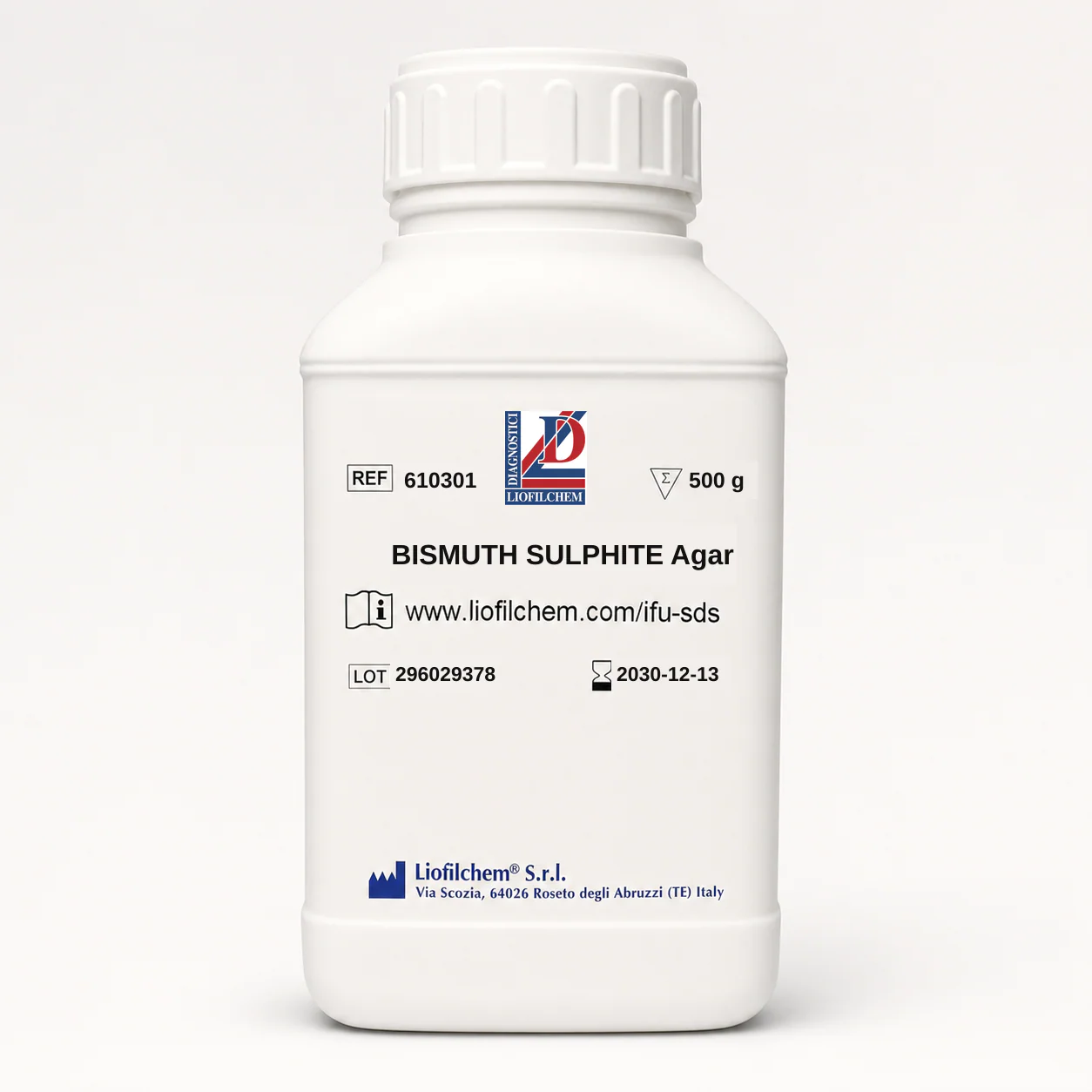
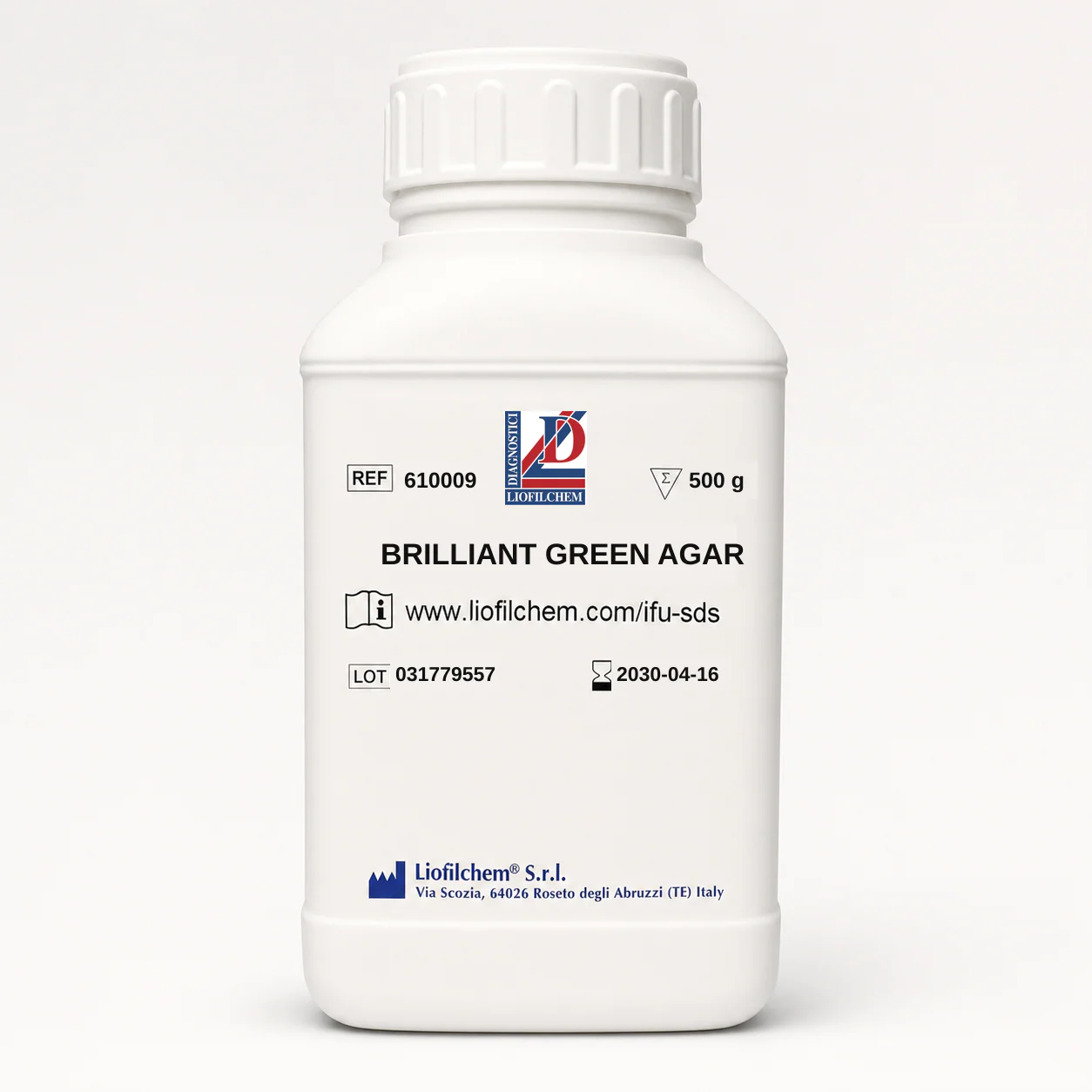
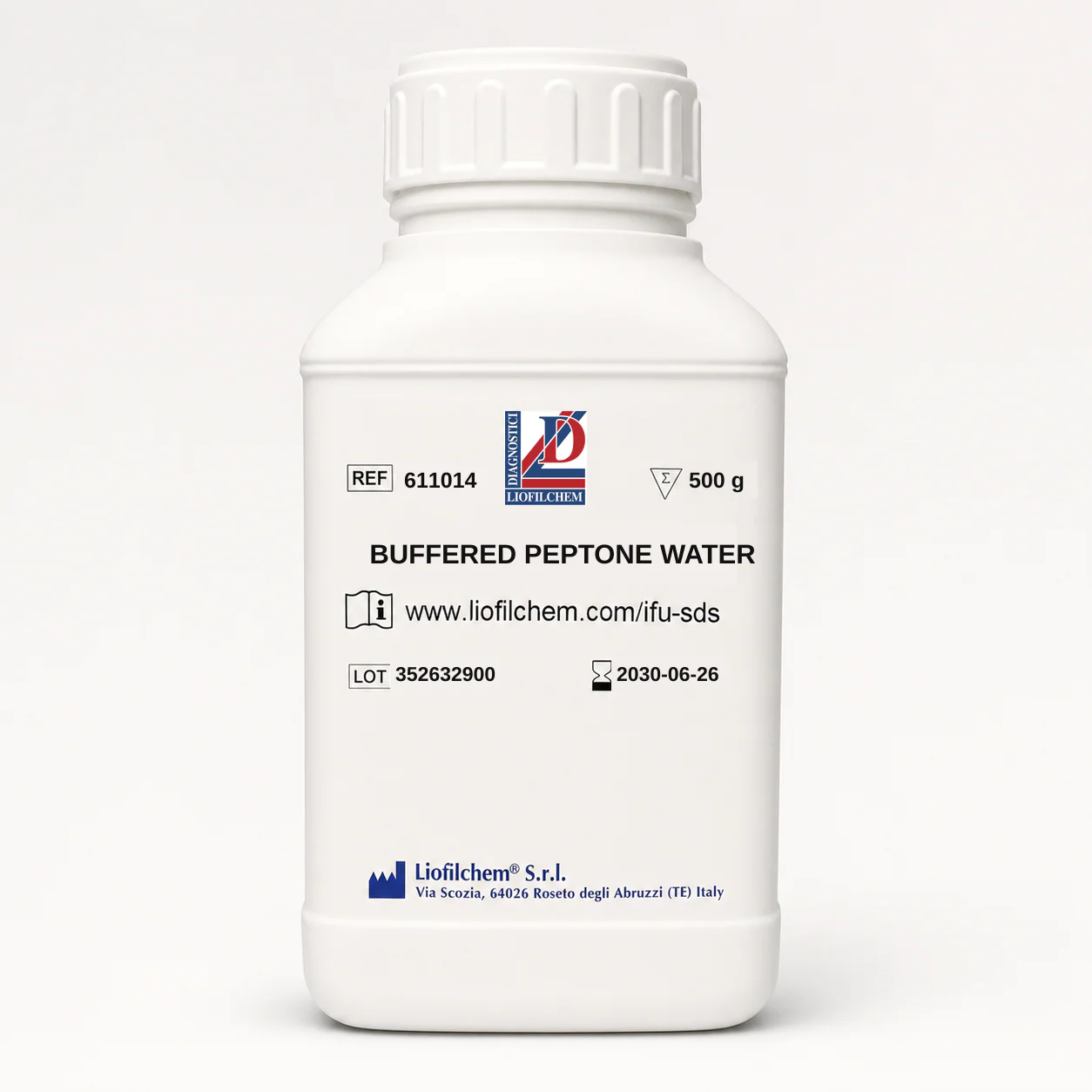
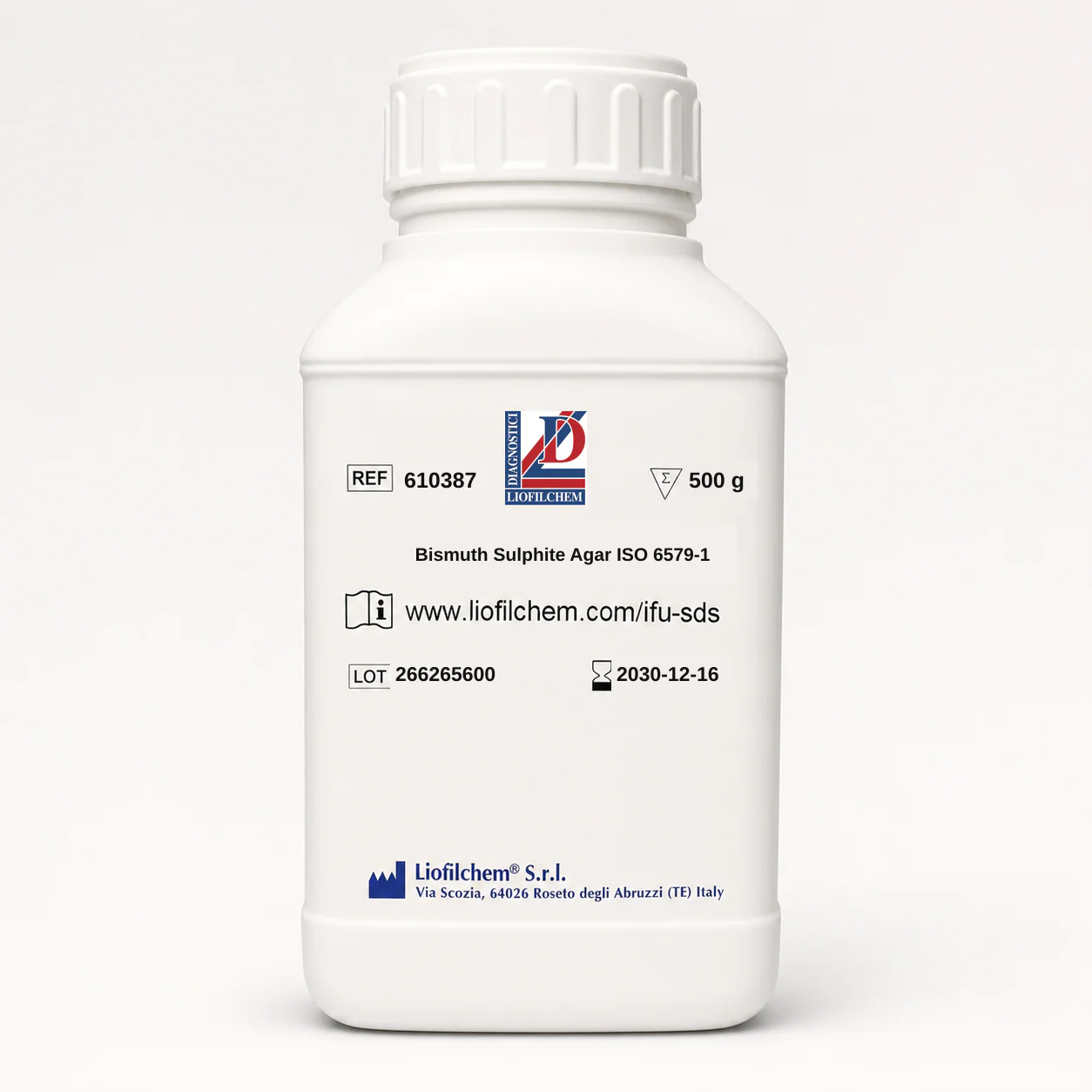
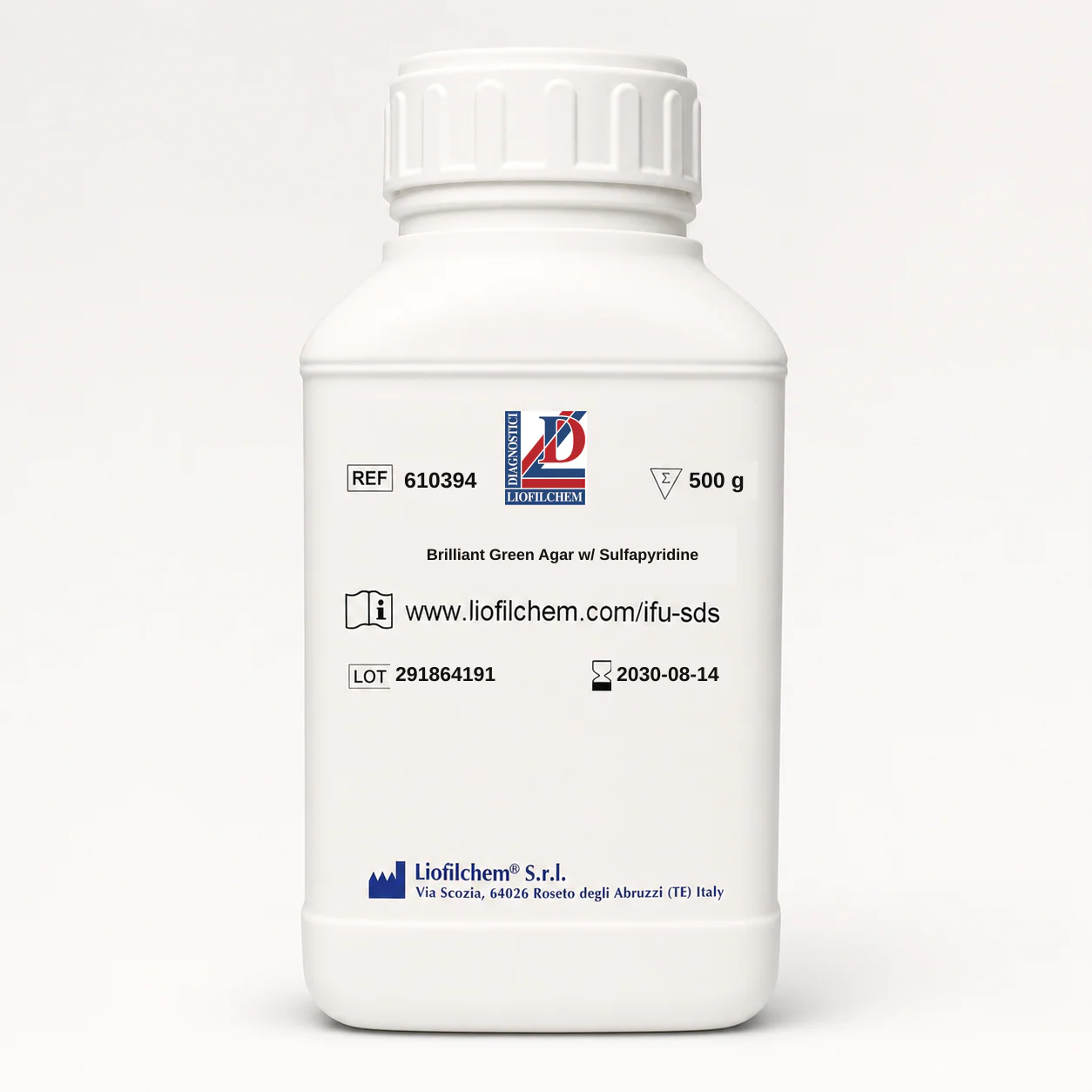
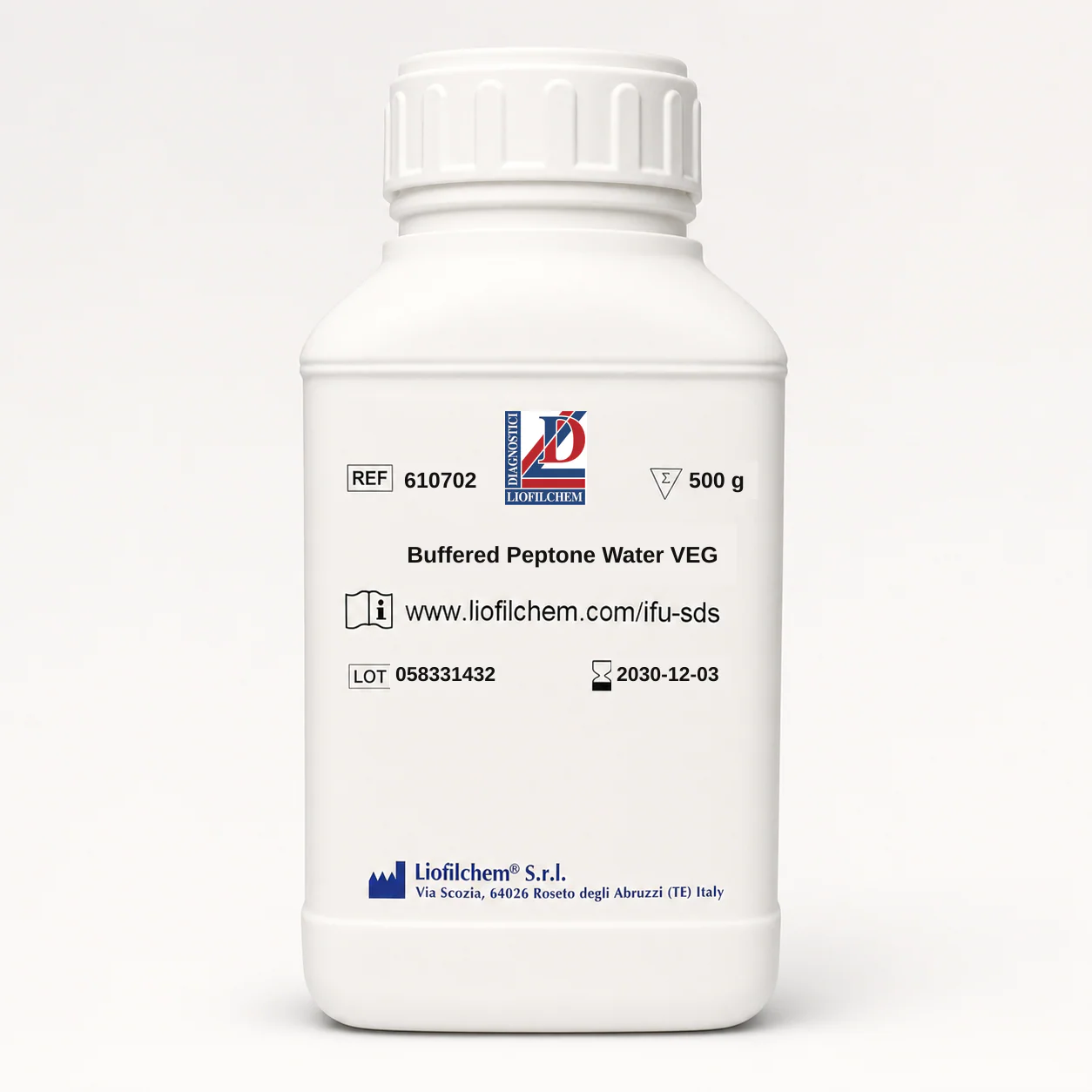
The references a Salmonella programme is measured against.




Tell us your matrix and how fast you need a release decision — we'll recommend the method and respond with pricing, availability and lead time.